Imagine an entire Milwaukee neighborhood with homes, children, a school, fishing boats, and families making a living off Lake Michigan.
Now imagine almost all of it disappearing.
That’s exactly what happened on Jones Island.
Today, when most people think of Jones Island, they picture Milwaukee’s industrial harbor, shipping facilities, and wastewater treatment plant.
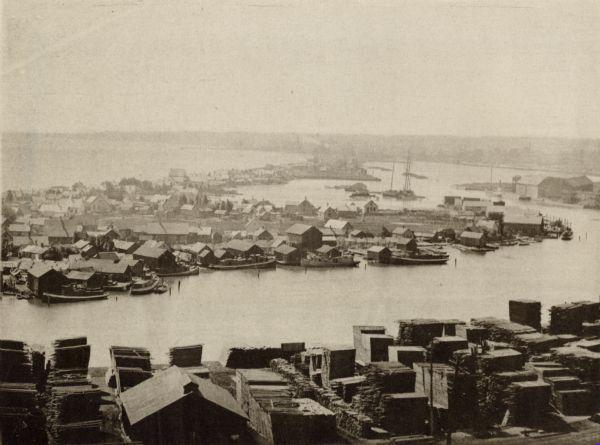
But more than 100 years ago, this area was home to one of Milwaukee’s most unusual communities: a thriving fishing village built largely by immigrants from northern Poland.
And the story of what happened to those families is a piece of Milwaukee history worth remembering.
A fishing village right here in Milwaukee
During the 1870s, immigrants known as the Kaszubs began settling on Jones Island, near the mouth of the Milwaukee River.
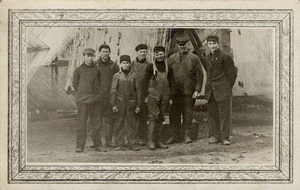
Many came from the Baltic Sea coast of what is now northern Poland, where fishing had been part of their lives for generations.
They brought their skills, traditions, and families to Milwaukee and began building a community along the Lake Michigan shoreline.
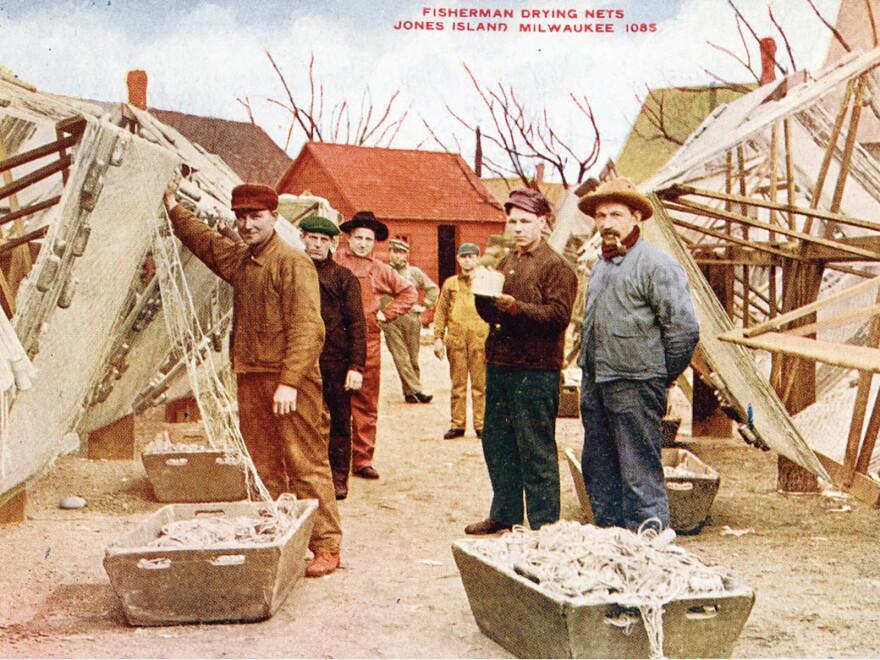
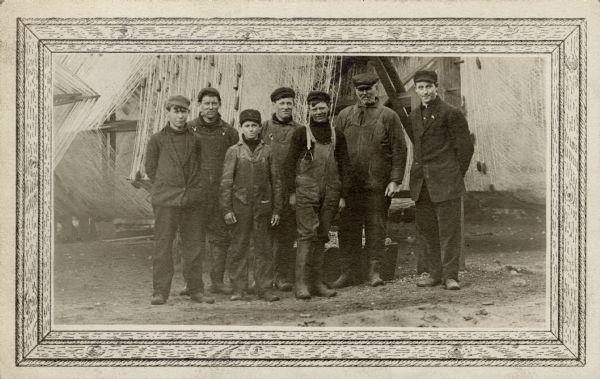
Their homes weren’t fancy. The neighborhood had modest houses, dirt roads, fishing sheds, and wooden structures used to dry fishing nets.
But this was their home.
By around 1900, the community had grown to approximately 1,600 residents. UWM Libraries Digital Collections+1
They helped feed Milwaukee
These weren’t just people fishing for fun.
Fishing was their livelihood.
The Kaszub fishermen caught lake trout, whitefish, perch, herring, and sturgeon. During successful years, their catches could exceed two million pounds of fish.
Some fish were sold fresh, while others were salted or smoked.
The work was difficult and sometimes dangerous, especially during winter on Lake Michigan. But it supported families and helped feed Milwaukee’s growing population.
Jones Island even had its own school!
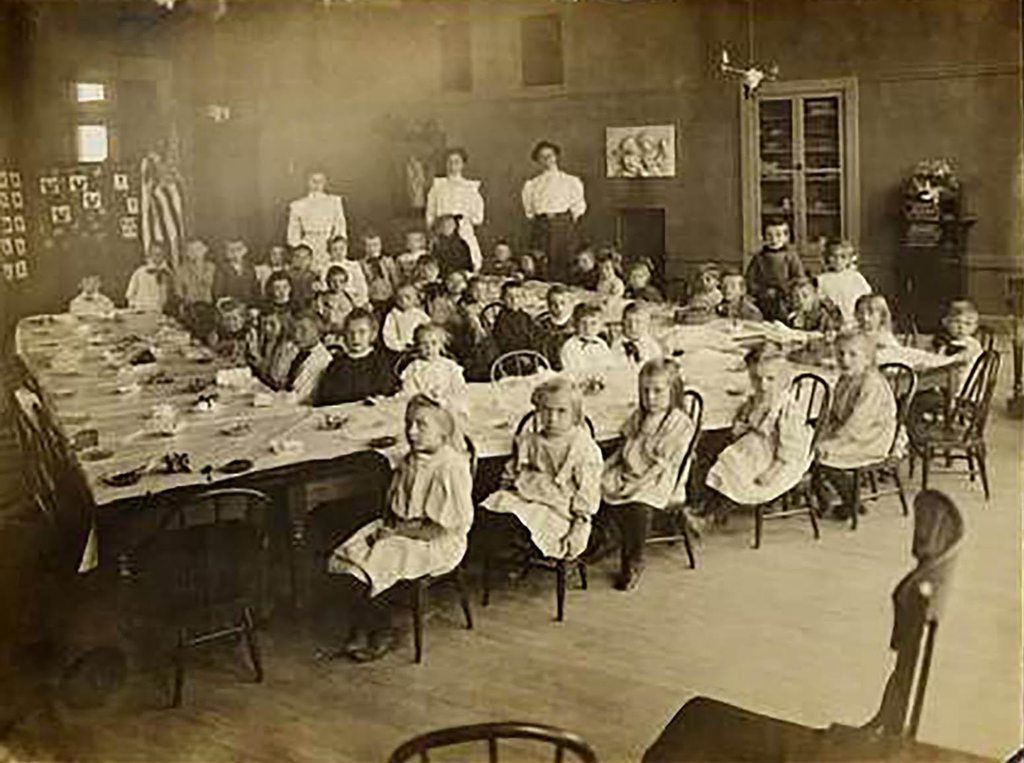
Here’s something that surprised me.
Jones Island had a public school that opened in 1896 and served the fishing community until 1919.
Just think about that for a minute.
Children were growing up, attending school, and making memories in a neighborhood that would eventually disappear from Milwaukee’s landscape.
This wasn’t simply an industrial site. It was a real community where people lived their everyday lives. Milwaukee Magazine
So what happened to the village?
As Milwaukee grew, city leaders wanted to expand harbor facilities and develop infrastructure along the waterfront.
The residents of Jones Island faced a major problem: many had built homes without formal ownership of the land.
The city considered them squatters.
During the early 1900s, development projects and land disputes began forcing families to leave.
The Jones Island wastewater treatment plant was completed in 1925, and the fishing village continued shrinking.
Some residents remained for years, but the community was eventually cleared.
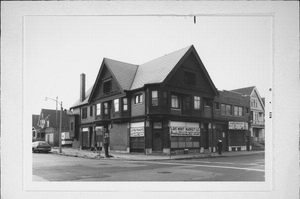
One of the last residents, fisherman and tavern owner Captain Felix Struck, was removed in 1943.
A neighborhood that had existed for generations was gone.
A tiny park keeps their memory alive
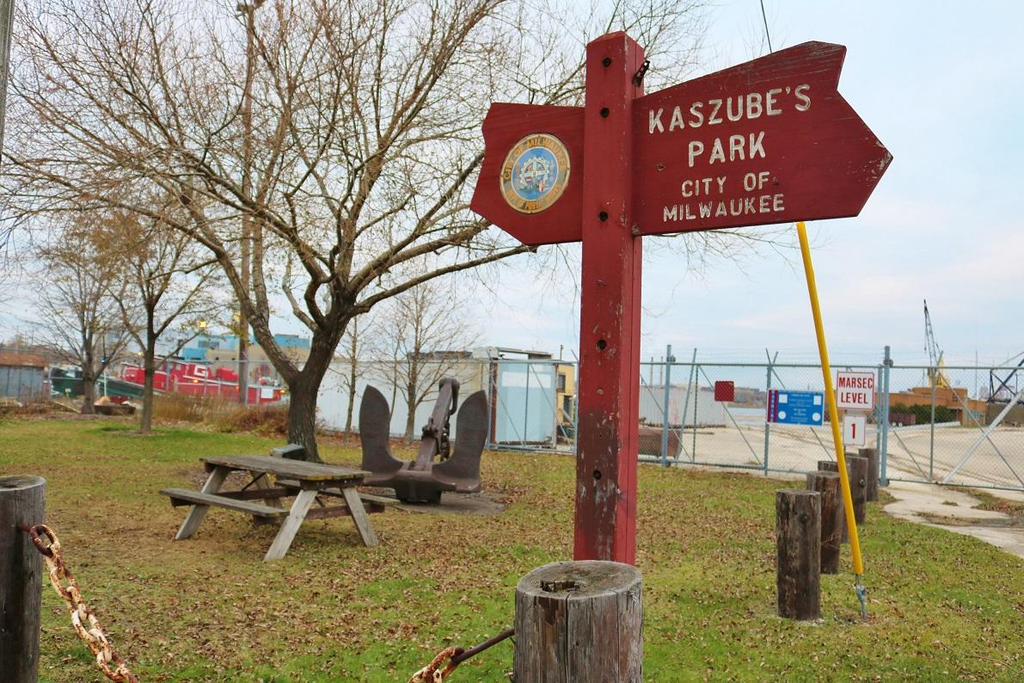
Although the fishing village is gone, one small piece of its history remains.
In 1974, Kaszube’s Park was established on Jones Island to honor the families who once lived there.
It’s a tiny green space surrounded by the industrial landscape of Milwaukee’s harbor.
Descendants of the original fishing families have continued gathering there to celebrate their heritage and remember the people who built the village.
What was once a community of hundreds of families is now remembered through a small park, historical photographs, and the stories passed down through generations. MPL+1
Why this Milwaukee history matters
One thing I love about researching Milwaukee history is discovering the stories hiding behind places we see every day.
Thousands of people have driven near Jones Island without realizing that families once lived there, children attended school there, and fishermen headed out onto Lake Michigan to earn a living.
Buildings can disappear. Neighborhoods can change. But that doesn’t mean the people who lived there should be forgotten.
Jones Island is a reminder that Milwaukee wasn’t just built by large businesses and factories. It was also built by ordinary hardworking families who created communities, raised children, and contributed to the city’s growth.
And that’s a history worth preserving.
Now I want to hear from you!
Did you know Jones Island once had a fishing village? Do you have family stories connected to Jones Island, Milwaukee’s harbor, or the old fishing industry?
Share your memories in the comments!
414 Milwaukee Mil Town — Keeping Milwaukee’s History Alive.