Milwaukee got MORE history than most people realize… and some of it will straight up blow your mind. These are 5 Mind-Blowing Milwaukee History Facts They Didn’t Teach You in School 💯
Most people know Milwaukee for beer, Harley-Davidson, and the Bucks — but the REAL story of this city goes way deeper than that. From a keyboard you use every single day to a jailbreak that changed American history, Milwaukee been making moves since day one. 🔥
Let’s get into it 👇🏾
⌨️ 1. Every Time You Type, You’re Using a Milwaukee Invention
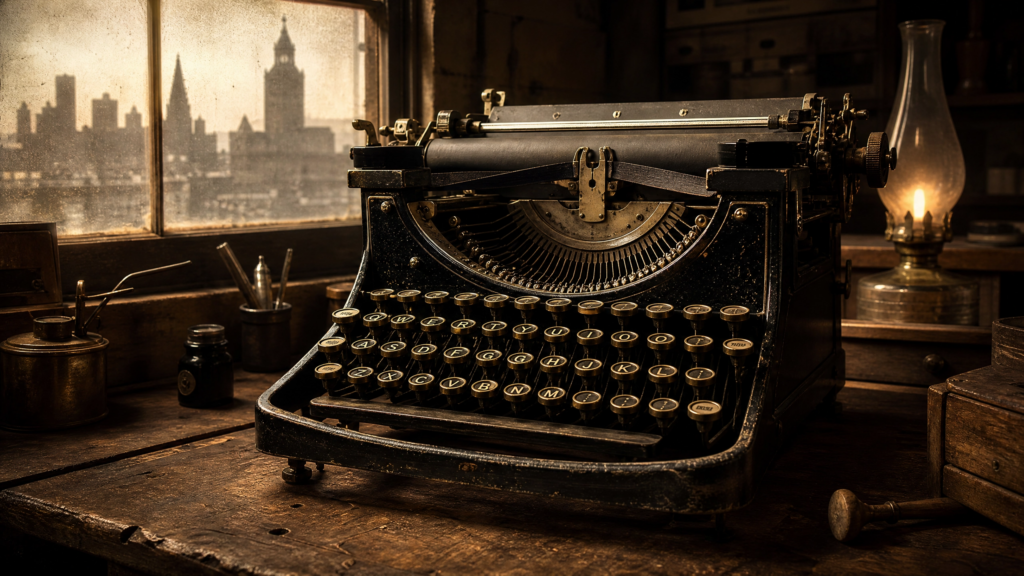
Before computers, smartphones, tablets, texting, emails, and social media, there was a Milwaukee inventor named Christopher Latham Sholes.
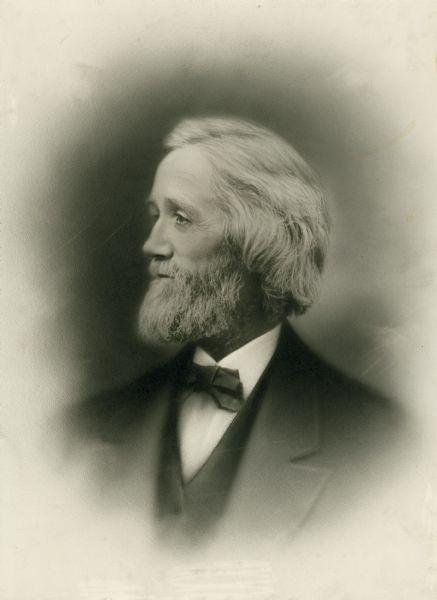
In the 1860s, Sholes was living and working in Milwaukee as a newspaper publisher, printer, politician, and inventor. He became frustrated with how slow and inefficient writing and printing could be, so he began experimenting with a machine that could mechanically print letters onto paper.
The First Practical Typewriter Was Born In Milwaukee
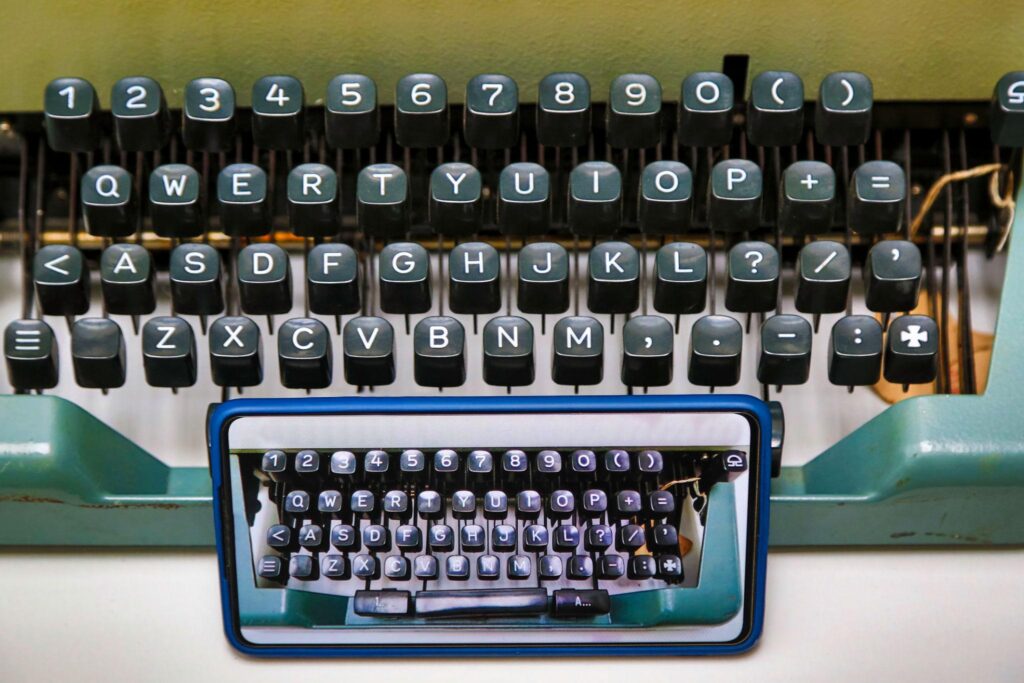
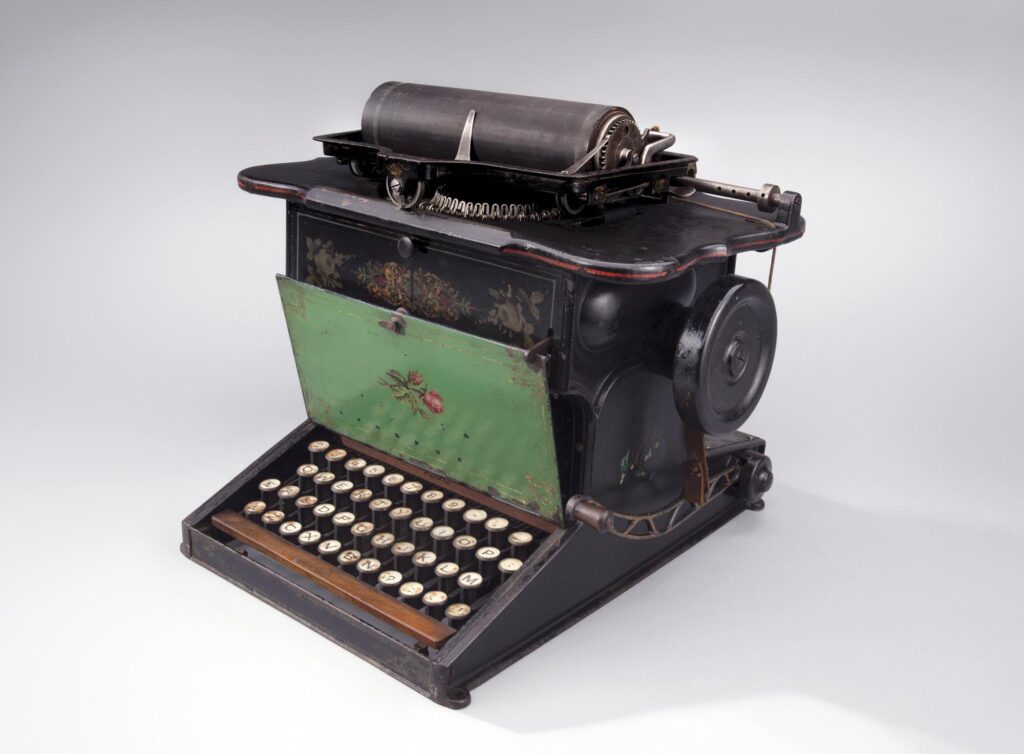
Working with inventors Samuel Soule and Carlos Glidden, Sholes developed what became the first commercially successful typewriter.
The original patent was granted in 1868, and much of the machine’s development took place in a Milwaukee machine shop. Many historians consider it the first practical typewriter that could be successfully manufactured and sold to the public.
What started as a local Milwaukee invention would eventually change business, education, journalism, and communication around the world.
Why Is It Called QWERTY?
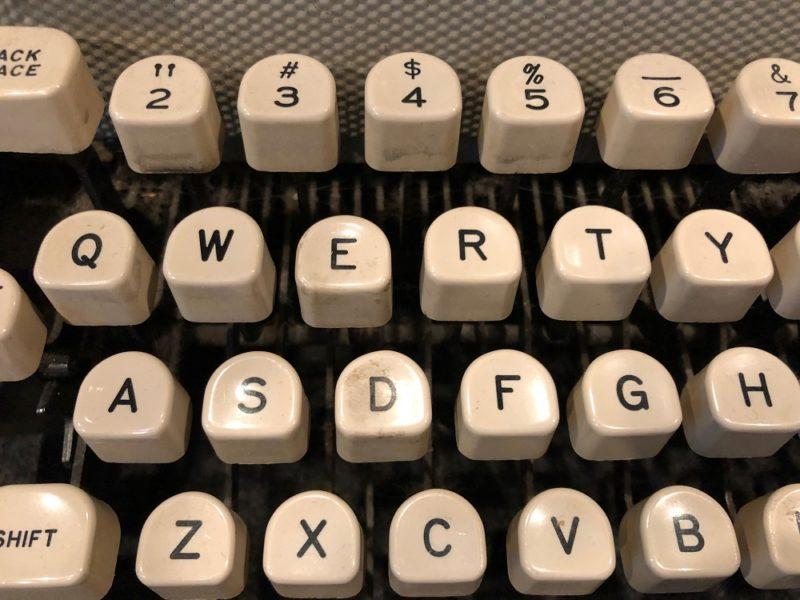
The first typewriters did NOT use the QWERTY layout.
Early versions had letters arranged almost alphabetically. The problem was that when skilled typists became too fast, the metal type bars inside the machine would collide and jam together.
Sholes spent years rearranging the keys to separate commonly used letter combinations. The result was the famous:
Q W E R T Y
layout across the top row.
The design dramatically reduced jamming and made the machine more reliable.
The Amazing Part
More than 150 years later:
✅ Every Windows computer uses it.
✅ Every Apple keyboard uses it.
✅ Most Android phones use it.
✅ Most iPhones use it.
✅ Billions of people type on a Milwaukee-designed layout every single day.
Milwaukee’s Global Impact
Think about this:
- Every email you’ve ever sent.
- Every Facebook post.
- Every text message.
- Every Google search.
- Every blog post.
- Every social media comment.
More than 150 years later, billions of people still use a Milwaukee invention every single day without even realizing it.
That’s Milwaukee history hiding in plain sight. 💙💛🖤
✊🏾 2. Milwaukee Had One of the Most Legendary Jailbreaks in American History
Milwaukee Had One of the Most Legendary Jailbreaks in American History
When most people think about jailbreaks, they picture movies, outlaws, or daring escapes from prison.
But one of the most important jailbreaks in American history happened right here in Milwaukee — and it wasn’t criminals breaking out.
It was ordinary citizens risking everything to help a man gain his freedom.
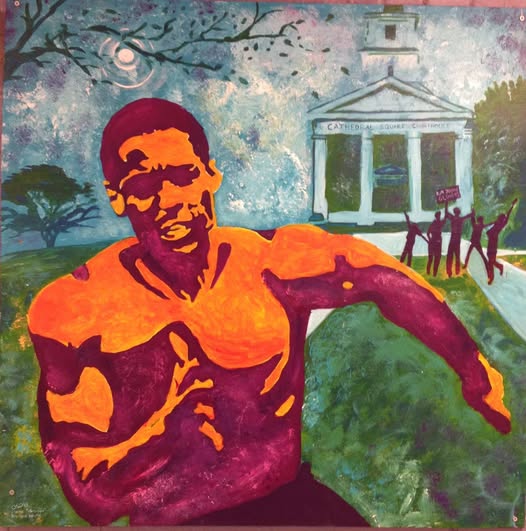
The Story of Joshua Glover
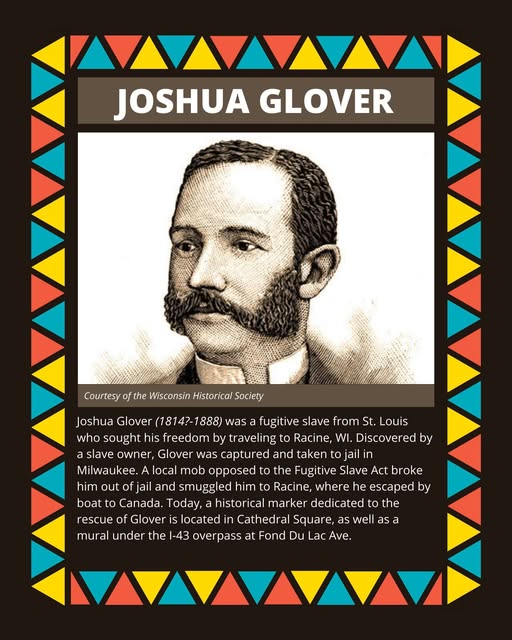
In 1852, a man named Joshua Glover escaped slavery from a plantation near St. Louis, Missouri. Like many freedom seekers of the time, he headed north looking for safety and a chance to build a new life.
Glover eventually settled in Racine County, Wisconsin, where he found work and began living as a free man.
But freedom wasn’t guaranteed.
At the time, the United States was enforcing the Fugitive Slave Act of 1850. This controversial federal law required escaped enslaved people to be captured and returned to slavery, even if they had reached free states.
The law outraged many people in Wisconsin, but it remained in effect.
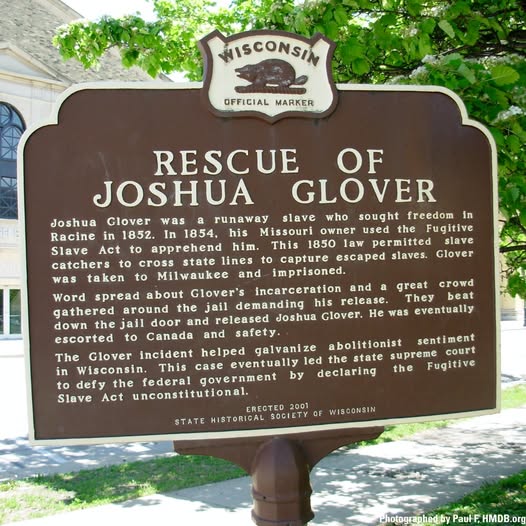
Captured in Wisconsin
In March of 1854, slave catchers and federal marshals tracked Joshua Glover to Wisconsin.
They violently arrested him, severely beat him, and transported him to Milwaukee where he was locked inside the Milwaukee County Jail to await his return to slavery.
News of Glover’s arrest spread quickly throughout southeastern Wisconsin.
People were furious.
Many residents believed the Fugitive Slave Act was morally wrong and viewed Glover as a man who deserved freedom, not punishment.
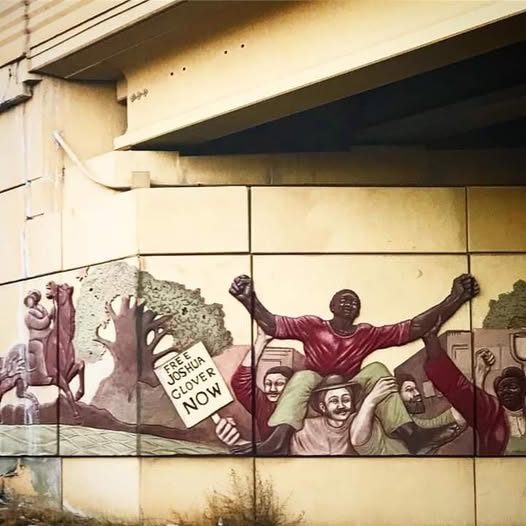
Milwaukee Takes Action
One of Wisconsin’s leading abolitionists, Sherman Booth, immediately began organizing resistance.
Word spread through newspapers, churches, and communities.
Within hours, hundreds of people began gathering outside the Milwaukee County Jail.
That crowd soon grew into thousands.
The protesters demanded Glover’s release, but authorities refused.
Then something incredible happened.
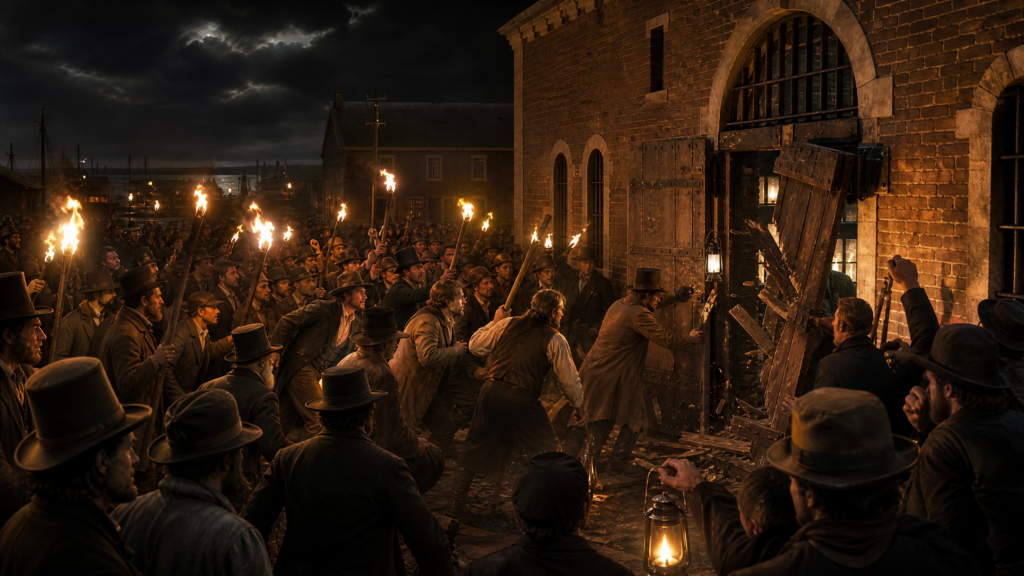
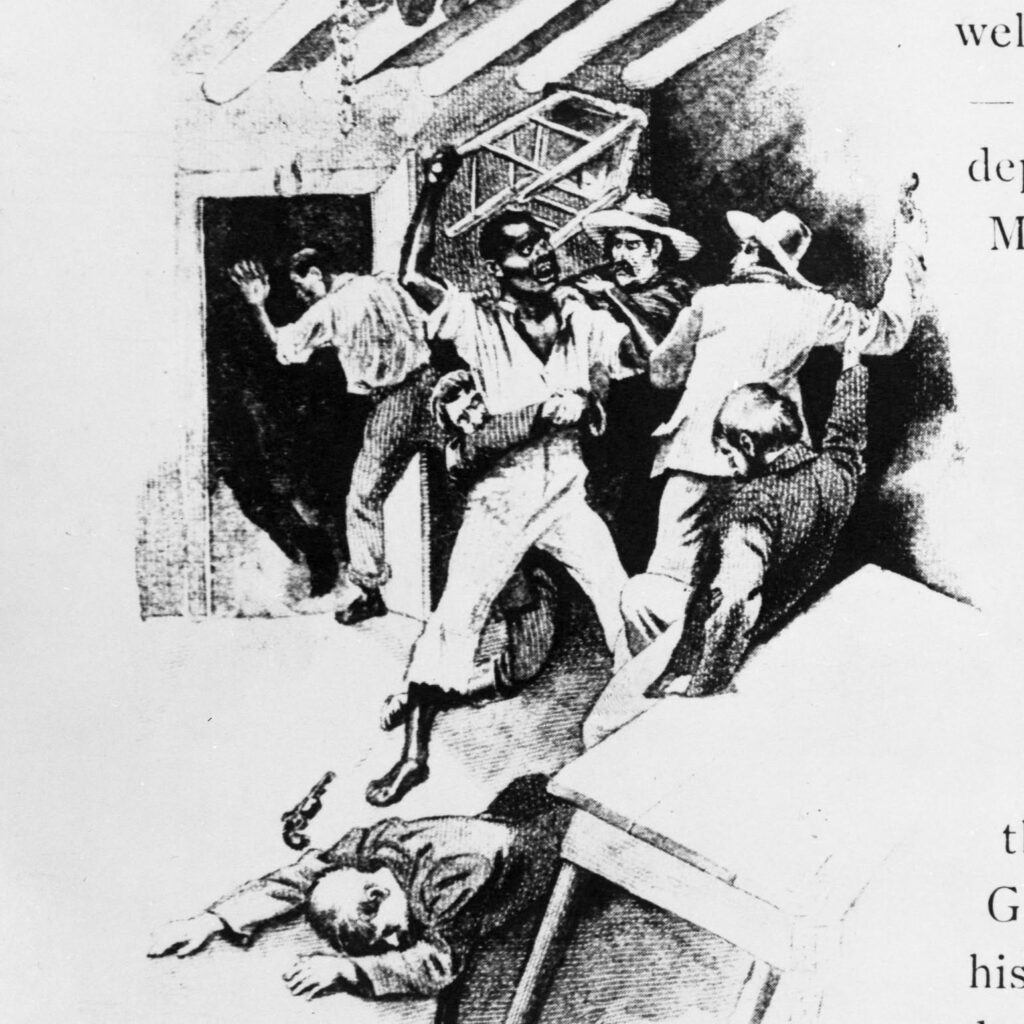
Members of the crowd found a large wooden beam and used it as a battering ram against the jail doors.
The doors eventually gave way.
The crowd stormed the jail and freed Joshua Glover.
Without firing a shot, one of the most famous jailbreaks in American history had taken place.
The Underground Railroad
Once Glover was free, Milwaukee residents quickly moved him through a network of safe houses and abolitionist supporters connected to the Underground Railroad.
His journey took him north through Wisconsin and eventually across the border into Canada.
Once he arrived in Canada, he could no longer be legally captured and returned to slavery under American law.
Joshua Glover was finally free.
Wisconsin Defies the Federal Government
The story didn’t end with the jailbreak.
The rescue triggered a major legal and political battle.
Sherman Booth was arrested for helping Glover escape and was prosecuted by federal authorities.
Wisconsin courts challenged the constitutionality of the Fugitive Slave Act, becoming one of the first states to openly resist the law.
The conflict eventually reached the United States Supreme Court and became part of the growing national debate over slavery.
Many historians believe the Joshua Glover rescue helped strengthen the anti-slavery movement throughout Wisconsin and contributed to the tensions that would eventually lead to the Civil War.
Why This Story Matters
Today, the rescue of Joshua Glover is remembered as one of Wisconsin’s most courageous acts of civil disobedience.
It showed what can happen when ordinary people decide that a law is unjust and choose to stand up for what they believe is right.
Thousands of Milwaukee-area residents put themselves at risk to help a man they barely knew simply because they believed freedom mattered more than fear.
That’s a powerful piece of Milwaukee history that deserves to be remembered
Did You Know?
📍 The jailbreak happened on March 11, 1854.
📍 Milwaukee citizens used a wooden beam as a battering ram to break open the jail.
📍 Joshua Glover escaped through Wisconsin’s Underground Railroad network and eventually reached Canada.
📍 The event helped make Wisconsin a national center of anti-slavery resistance before the Civil War.
📍 Today, the Joshua Glover story is considered one of the most important civil rights stories in Wisconsin history.
More than 170 years later, the story of Joshua Glover reminds us that Milwaukee wasn’t just a city built by industry and immigration—it was also a city where people were willing to stand up for freedom.
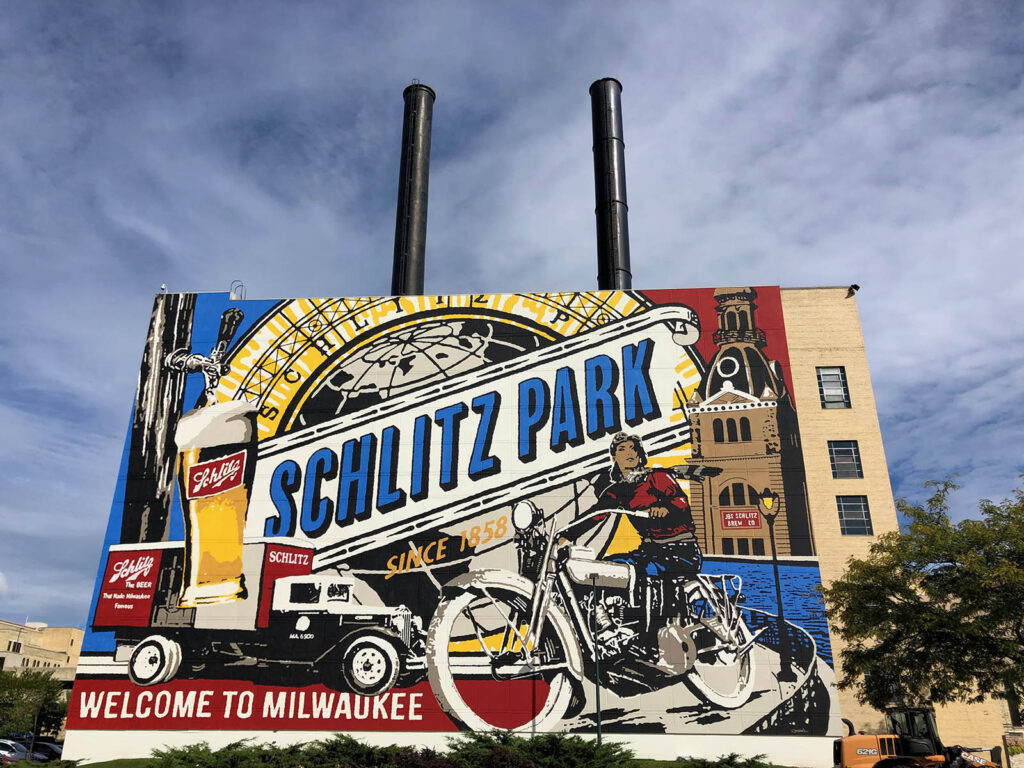
🍺 3. The Great Chicago Fire Made Milwaukee Beer Famous
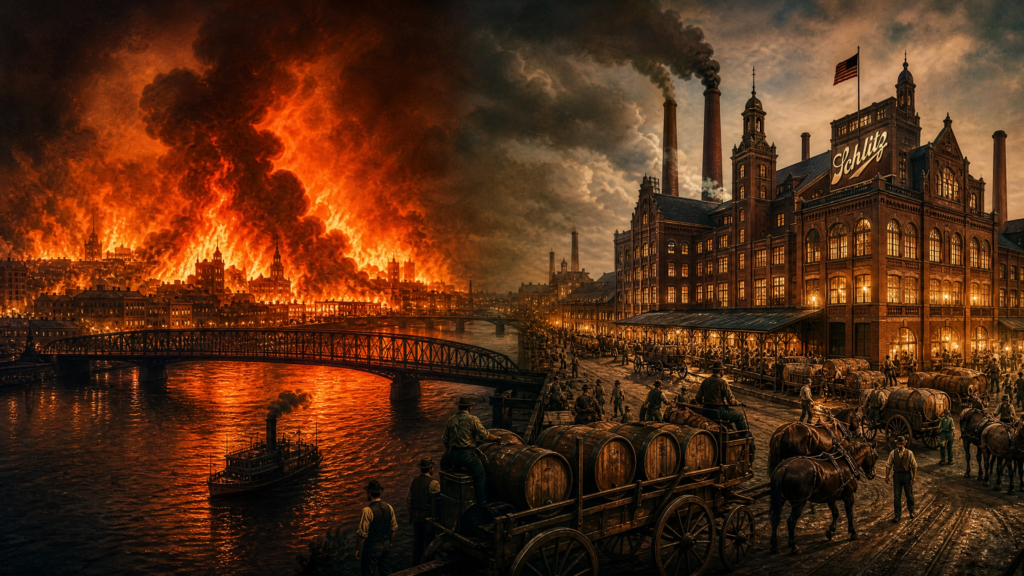
How the Great Chicago Fire Helped Make Milwaukee the Beer Capital of America
When people think of Milwaukee, one thing almost always comes to mind:
🍺 Beer.
For generations, Milwaukee has proudly carried the nickname “Brew City,” and one of the most famous advertising slogans in American history was born right here:
“The Beer That Made Milwaukee Famous.”
But what many people don’t realize is that a devastating disaster nearly 100 miles away helped turn Milwaukee into a brewing powerhouse known around the world.
This is the story of how a fire in Chicago helped put Milwaukee beer on the map forever.
Milwaukee Was Already Brewing Before the Fire
Long before Milwaukee became famous for beer, German immigrants were transforming the city.
Beginning in the 1840s, thousands of German immigrants arrived in Milwaukee seeking opportunity and bringing with them something they knew very well:
Beer making.
Unlike many Americans of the time, Germans viewed beer as an important part of daily life. They brought brewing traditions, family recipes, and a deep knowledge of lager beer production.
As Milwaukee’s German population grew, breweries began popping up throughout the city.
By the mid-1800s, Milwaukee was quickly becoming one of America’s leading beer-producing cities.
Some of the names that would later become legendary were already taking shape:
- Joseph Schlitz Brewing Company
- Miller Brewing Company
- Pabst Brewing Company
- Blatz Brewing Company
Together, these breweries would eventually become known as Milwaukee’s famous “Big Four.”
Then Came the Great Chicago Fire
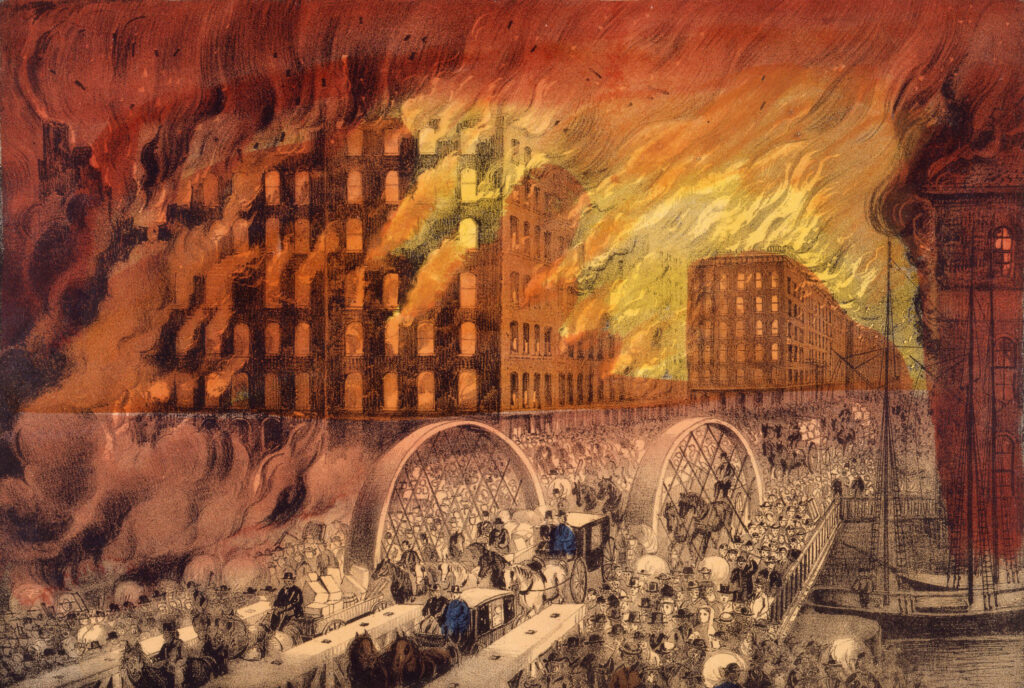
On October 8, 1871, disaster struck.
A massive fire broke out in Chicago and quickly spread through the city.
Fueled by wooden buildings, dry conditions, and strong winds, the fire raged for two days.
When it was finally over, more than three square miles of Chicago had been destroyed.
Thousands of buildings were gone.
Hundreds of people died.
More than 100,000 residents were left homeless.
Among the businesses destroyed were many of Chicago’s breweries and beer distributors.
Suddenly, one of the Midwest’s largest markets had a major problem:
People still wanted beer, but much of Chicago’s brewing industry had been wiped out.
Milwaukee Sees an Opportunity
Milwaukee’s breweries survived untouched.
The city sat just north of Chicago and had direct transportation routes by rail and lake shipping.
As Chicago struggled to rebuild, Milwaukee breweries stepped in to fill the demand.
No company benefited more than Schlitz.
At the time, Joseph Schlitz’s brewery was already successful, but the Chicago Fire changed everything.
Schlitz immediately began shipping enormous quantities of beer to Chicago.
Some reports say the company even advanced beer on credit to struggling tavern owners and businesses trying to recover after the disaster.
The strategy worked.
Chicago embraced Schlitz beer.
Sales skyrocketed.
Almost overnight, Schlitz became one of the most recognized beer brands in America.
The Slogan That Changed Milwaukee Forever
As Schlitz’s popularity exploded, the company began promoting itself with a slogan that would become legendary:
“The Beer That Made Milwaukee Famous”
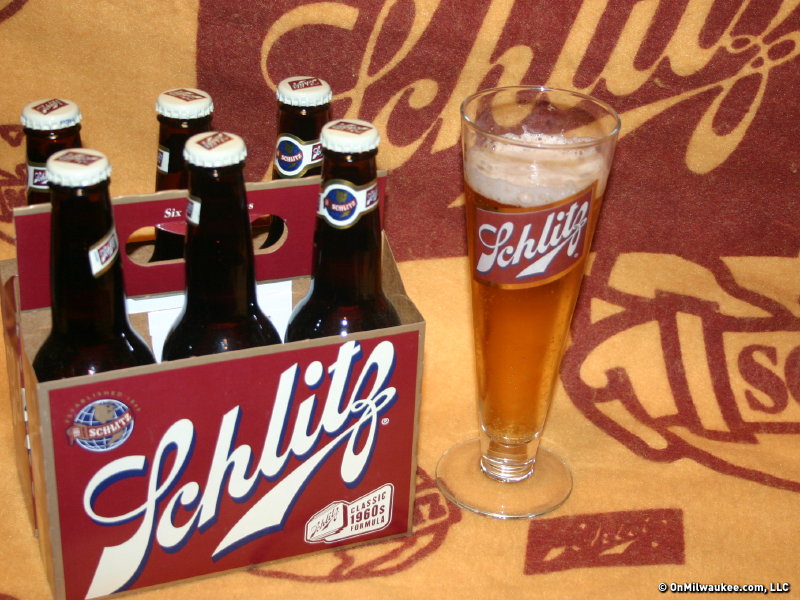
The phrase appeared in advertisements across the country and became one of the most successful marketing campaigns of its era.
But here’s the funny part:
The slogan wasn’t just making Schlitz famous.
It was making Milwaukee famous too.
For millions of Americans who had never visited Wisconsin, Milwaukee became synonymous with beer.
The city’s identity became tied to brewing excellence, hardworking immigrant families, and world-class lager production.
How Milwaukee Became Brew City
The success of Schlitz wasn’t an isolated story.
During the late 1800s and early 1900s, Milwaukee’s brewing industry exploded.
Massive breweries expanded throughout the city.
Beer caves, bottling plants, rail yards, and distribution centers became major parts of Milwaukee’s economy.
The industry provided thousands of jobs and helped fuel the city’s growth.
By the early 20th century, Milwaukee was producing millions of barrels of beer each year and exporting them throughout the United States.
The city earned a nickname that still survives today:
Brew City
Even people who have never been to Milwaukee often know it as one of America’s greatest beer cities.
A Legacy That Still Lives On
Although many historic breweries have closed, merged, or changed ownership over the years, Milwaukee’s brewing heritage remains one of the strongest in the country.
Visitors still tour historic brewery sites.
Beer gardens continue a tradition that dates back generations.
And Milwaukee remains proud of the immigrant brewers who helped shape the city’s identity.
The next time you hear someone say Milwaukee is Brew City, remember:
Part of that story began with German immigrants who brought their brewing traditions to Wisconsin.
And part of it was fueled by a devastating fire in Chicago that unexpectedly helped Milwaukee beer conquer a massive new market.
Did You Know?
🍺 The Great Chicago Fire began on October 8, 1871.
🍺 Milwaukee breweries helped fill Chicago’s beer shortage after many local breweries were destroyed.
🍺 Schlitz’s sales surged after the fire, helping transform the company into a national brand.
🍺 The slogan “The Beer That Made Milwaukee Famous” became one of the most recognizable advertising campaigns in American history.
🍺 Milwaukee’s brewing industry eventually became so influential that the city earned the nickname “Brew City.”
More than 150 years later, Milwaukee’s brewing legacy is still one of the biggest reasons people around the world recognize the city’s name.
💌 4. Workers Found 100-Year-Old Love Letters Hidden in a Milwaukee Ceiling
And the Mystery Still Isn’t Solved
Some Milwaukee history stories sound like they belong in a Hollywood movie.
This is one of them.
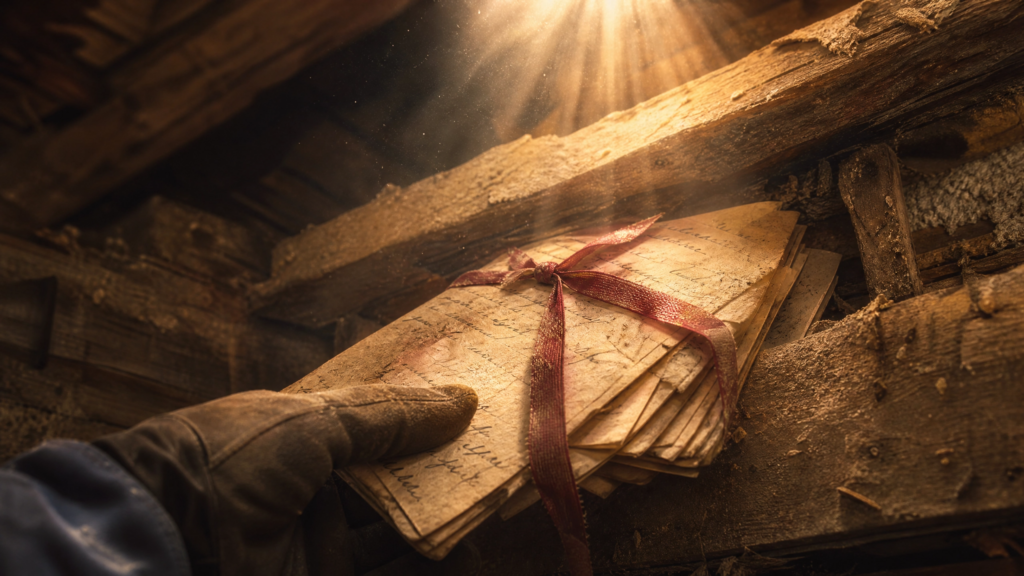
In 2015, during renovations of a historic building in Milwaukee’s Walker’s Point neighborhood, workers stumbled upon a discovery that had been hidden for more than a century.
Inside a ceiling above a basement wine cellar, they found 104 handwritten love letters that revealed a secret Milwaukee romance dating back to the early 1900s.
More than a decade after their discovery, nobody knows exactly who hid them there or why.
The Discovery in Walker’s Point
The letters were discovered inside the historic building now occupied by The Chef’s Table, near South 1st Street in Milwaukee’s Walker’s Point neighborhood.
While clearing debris from an old ceiling, building owner David Magnasco noticed a bundle wrapped in old newspaper fall from above.
What appeared to be ordinary debris turned out to be one of the most fascinating historical discoveries Milwaukee has seen in years.
Inside the package were 104 handwritten love letters that had been hidden away for generations.
For decades, countless people walked through the building without ever knowing they were there.
A Milwaukee Woman Named Theresa Reischl
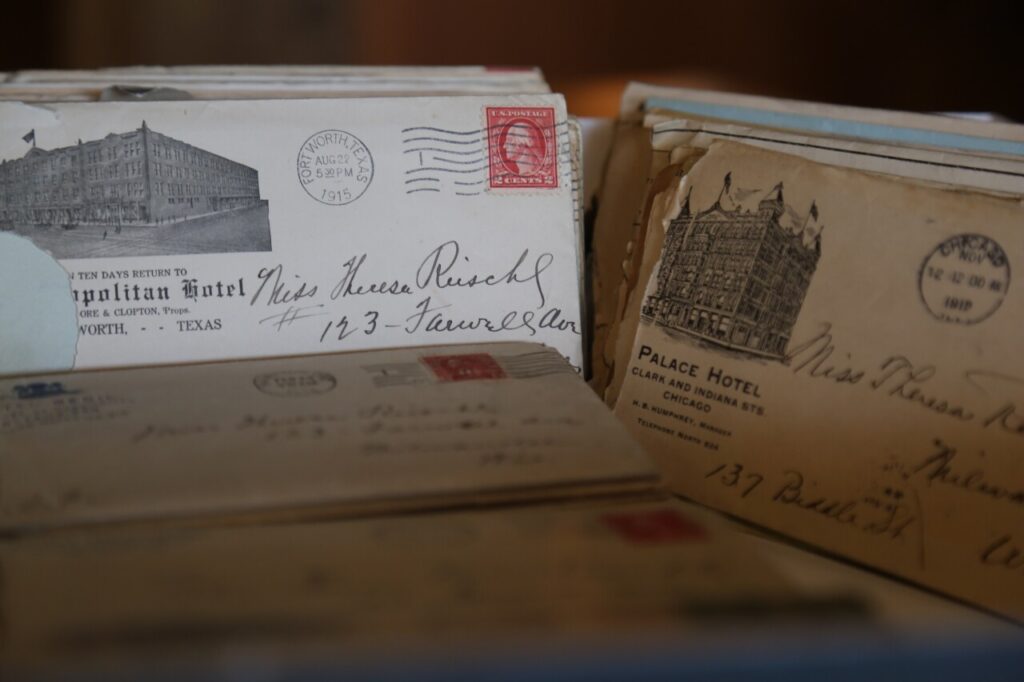
The letters were addressed to Theresa Reischl, a Milwaukee woman who lived on Milwaukee’s East Side during the early 1900s.
Historical records place Theresa and her mother Clara at addresses on Farwell Avenue before later moving elsewhere in Milwaukee.
Researchers believe Theresa spent much of her life in the Milwaukee and Oconomowoc areas.
At the time the letters were written, Theresa was in her early twenties.
She had no idea that more than a century later, strangers would be reading the words sent to her by a man who appeared deeply in love.
The Traveling Actor
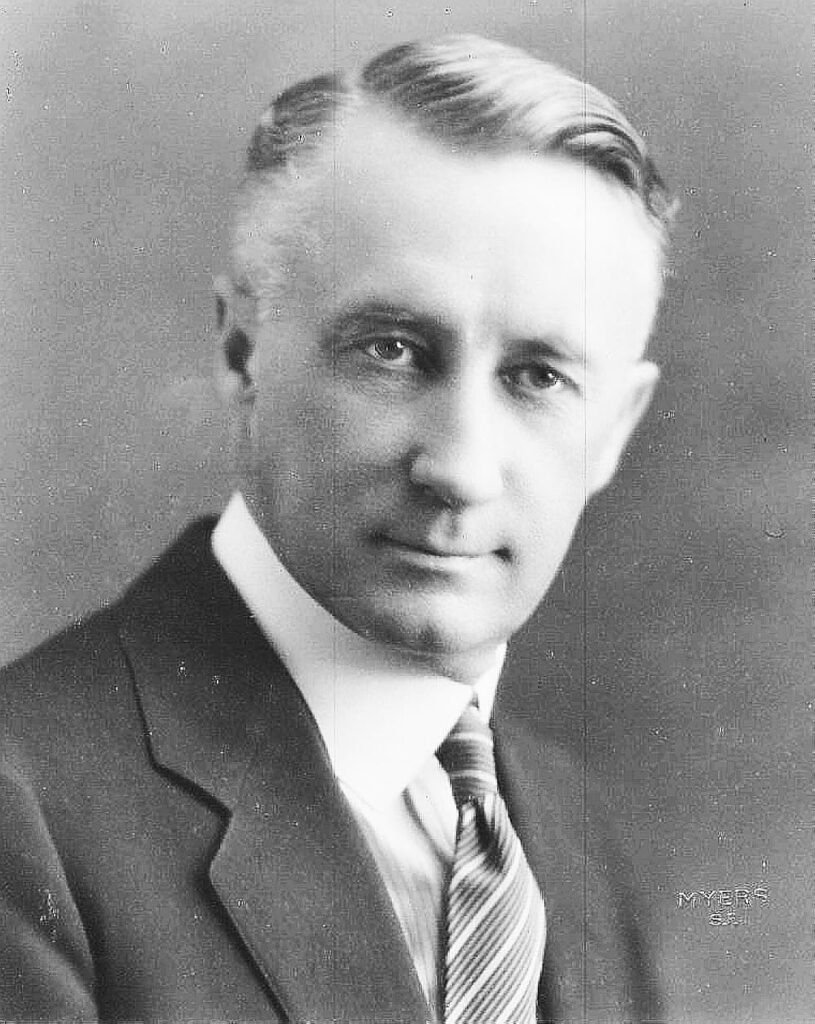
The letters were written by Mitchell Ingraham, a traveling stage actor who spent years touring the country.
Between 1912 and 1915, he mailed letters to Theresa from cities across America.
Many were written on elegant hotel stationery and mailed from theaters, hotels, and performance venues throughout the United States.
Because he was constantly traveling, the letters became the couple’s primary way of staying connected.
Today, they offer a rare glimpse into long-distance relationships before telephones became common and decades before the internet existed.
Love Before Text Messages
Imagine trying to maintain a relationship in 1913.
There were no text messages.
No Instagram.
No FaceTime.
No email.
Every conversation required pen, paper, stamps, and patience.
The letters reveal an emotional and passionate relationship.
Ingraham frequently addressed Theresa with affectionate nicknames such as:
❤️ “Honey Girl”
❤️ “Darling Teddy”
❤️ “My Dream Girl”
He wrote about missing her, wanting to see her, and struggling with life on the road.
Each letter offers a snapshot of life during a very different era of Milwaukee history.
The Affair Nobody Was Supposed to See
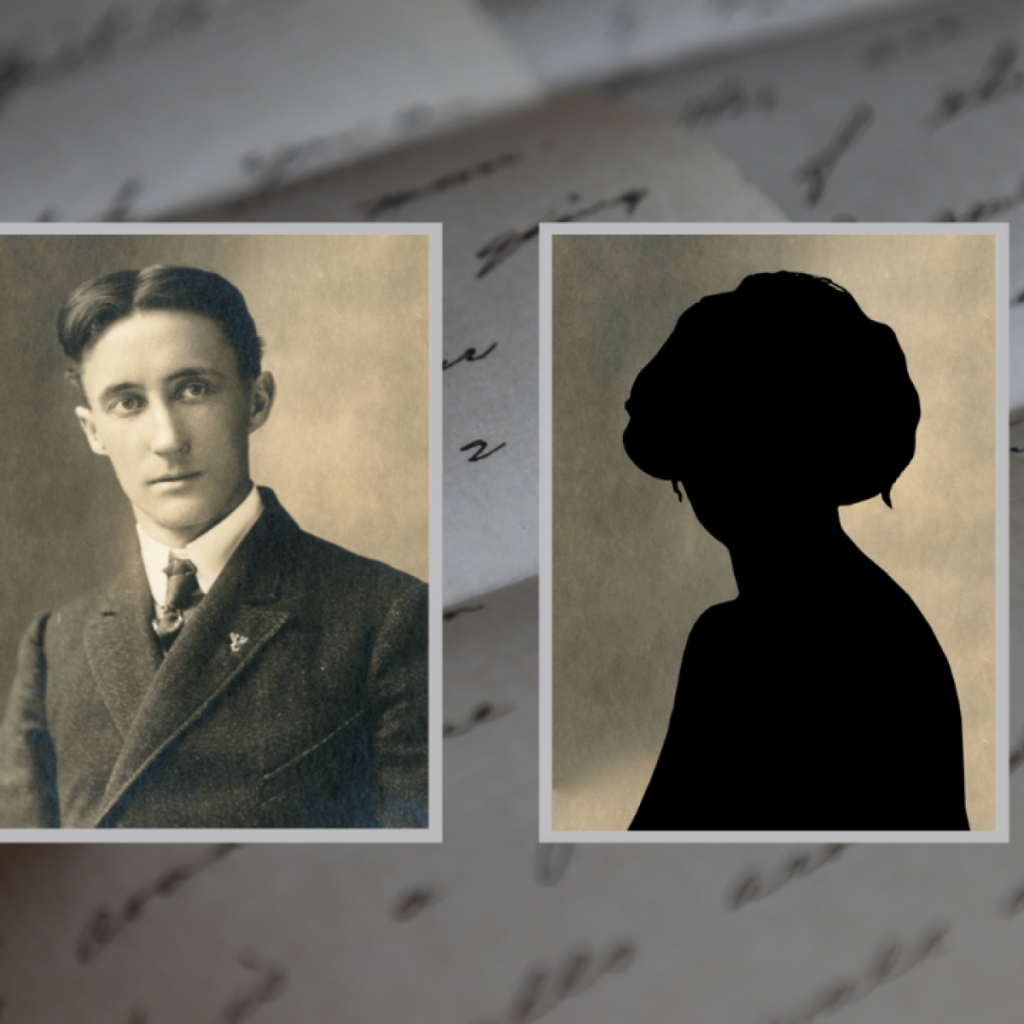
At first, the letters appeared to tell the story of a devoted couple separated by distance.
However, researchers later uncovered information suggesting Mitchell Ingraham may have been married during part of the correspondence.
If true, the letters may document a secret affair rather than a traditional romance.
That revelation transforms the story from a simple love story into one of Milwaukee’s most intriguing historical mysteries.
Were they planning a future together?
Was the relationship secret?
Did family members know?
More than 100 years later, we still don’t have all the answers.
The Biggest Mystery of All
The most fascinating question isn’t what the letters say.
It’s how they ended up hidden inside a Walker’s Point ceiling.
Researchers discovered that the letters were written between 1912 and 1915.
However, the newspapers used to wrap the bundle appear to date from around 1924.
That means someone intentionally preserved and concealed the letters nearly a decade after they were written.
But who?
Was it Theresa?
A family member?
A jealous spouse?
Someone protecting a secret?
Nobody knows.
Hidden Through More Than 100 Years of Milwaukee History
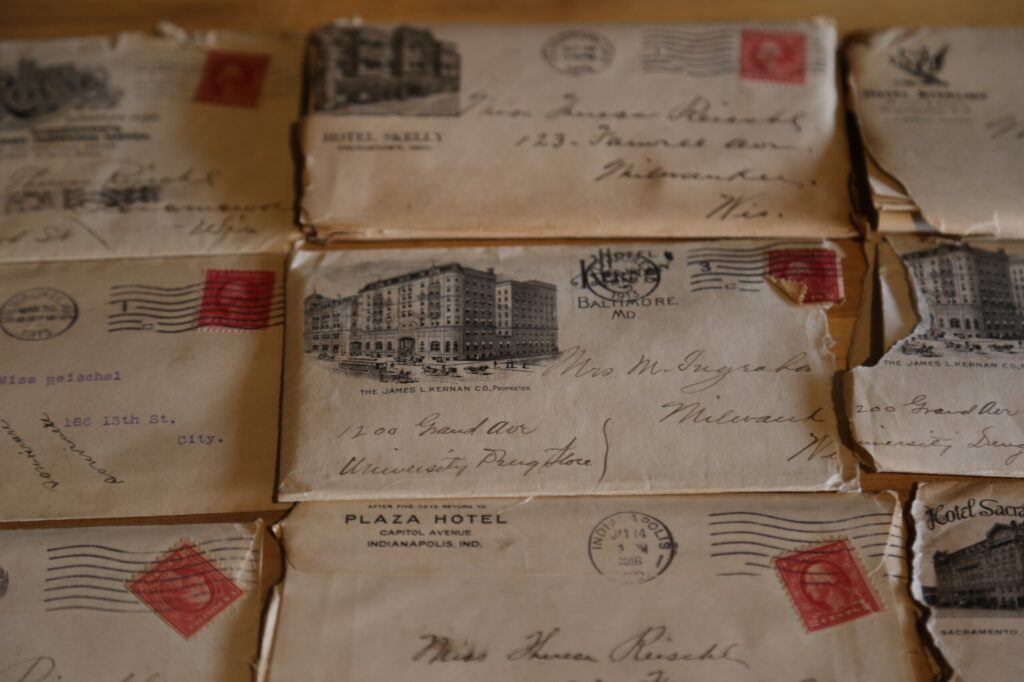
While hidden above the ceiling, the letters silently witnessed history.
They remained undiscovered through:
📍 World War I
📍 The Roaring Twenties
📍 The Great Depression
📍 World War II
📍 Milwaukee’s industrial boom
📍 The Civil Rights Movement
📍 More than a century of change in Walker’s Point
Meanwhile, businesses came and went inside the building.
Historic Sanborn maps show the property serving different purposes over the years, including industrial uses and later commercial tenants.
Yet somehow the letters remained untouched.
Why This Story Matters
When people think about Milwaukee history, they usually think about breweries, factories, famous landmarks, and major events.
But history is also made up of ordinary people.
A young Milwaukee woman.
A traveling actor.
A relationship carried through handwritten letters.
Their hopes, dreams, secrets, and emotions survived for more than 100 years because someone chose to save them.
And thanks to a chance discovery in Walker’s Point, their story became part of Milwaukee history.
Sometimes the most fascinating stories aren’t found in museums.
Sometimes they’re hidden above a ceiling waiting to be discovered.
Did You Know?
📍 The letters were discovered in Milwaukee’s Walker’s Point neighborhood.
📍 The bundle contained 104 handwritten love letters.
📍 Most were still inside their original envelopes.
📍 The letters were written between 1912 and 1915.
📍 Theresa Reischl lived in Milwaukee and was later connected to both Milwaukee and Oconomowoc.
📍 The letters were hidden using newspapers dating from around 1924.
📍 More than 100 years later, nobody knows who hid them or why.
📍 The mystery remains unsolved today.
Have you ever found something unusual in an old Milwaukee building? Let us know in the comments.
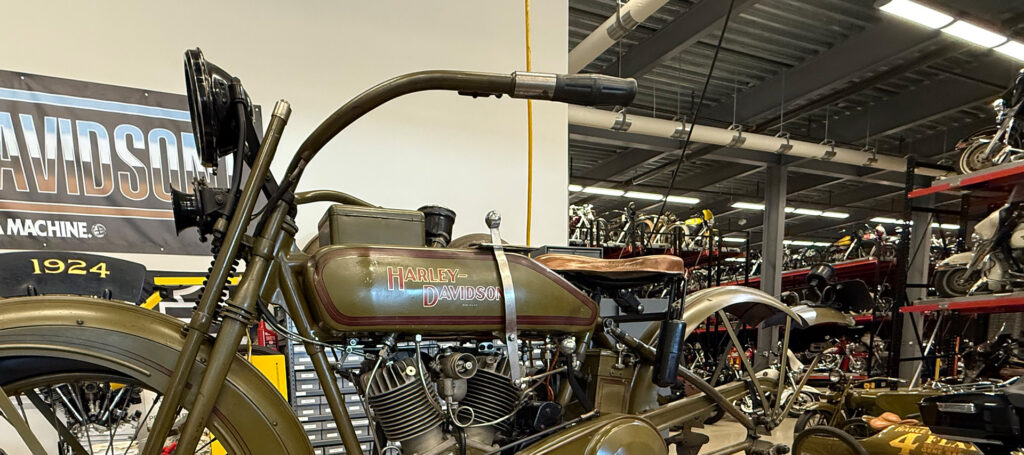
🏍️ 5. Harley-Davidson Started in a Tiny Backyard Shed
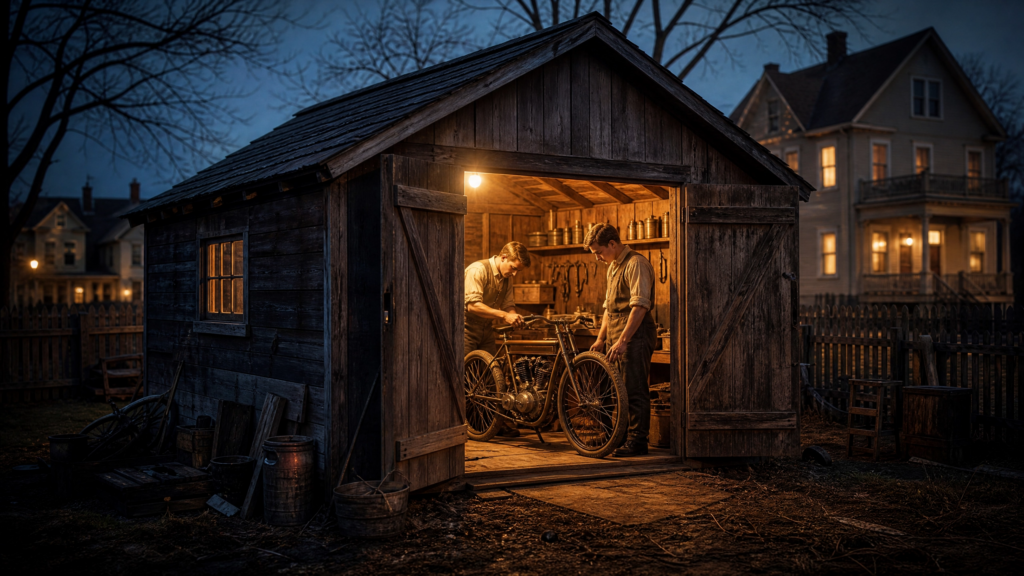
Harley-Davidson Started in a Tiny Milwaukee Backyard Shed
Today, Harley-Davidson is one of the most recognizable motorcycle brands in the world.
Its motorcycles are ridden on highways across America, featured in movies, celebrated at rallies, and admired by millions of fans around the globe.
But what many people don’t realize is that this iconic company didn’t begin in a massive factory.
It started in a tiny wooden shed behind a Milwaukee home.
And believe it or not, that little shed changed motorcycle history forever.
A Dream Begins in Milwaukee
At the turn of the 20th century, Milwaukee was rapidly growing into an industrial powerhouse.
Factories, machine shops, and skilled craftsmen filled the city.
Among them were two young friends with a big idea:
🔧 William S. Harley
🔧 Arthur Davidson
The pair shared a fascination with mechanics and engineering.
In 1901, Harley began working on plans for a small engine that could be attached to a bicycle.
The goal wasn’t to build a motorcycle as we know it today.
The idea was simply to create a motor-powered bicycle that could make travel easier.
The Famous Backyard Shed
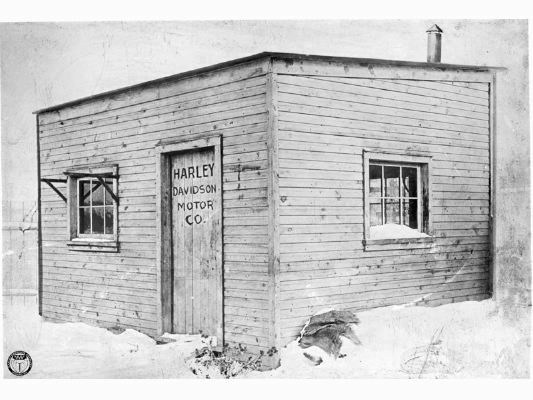
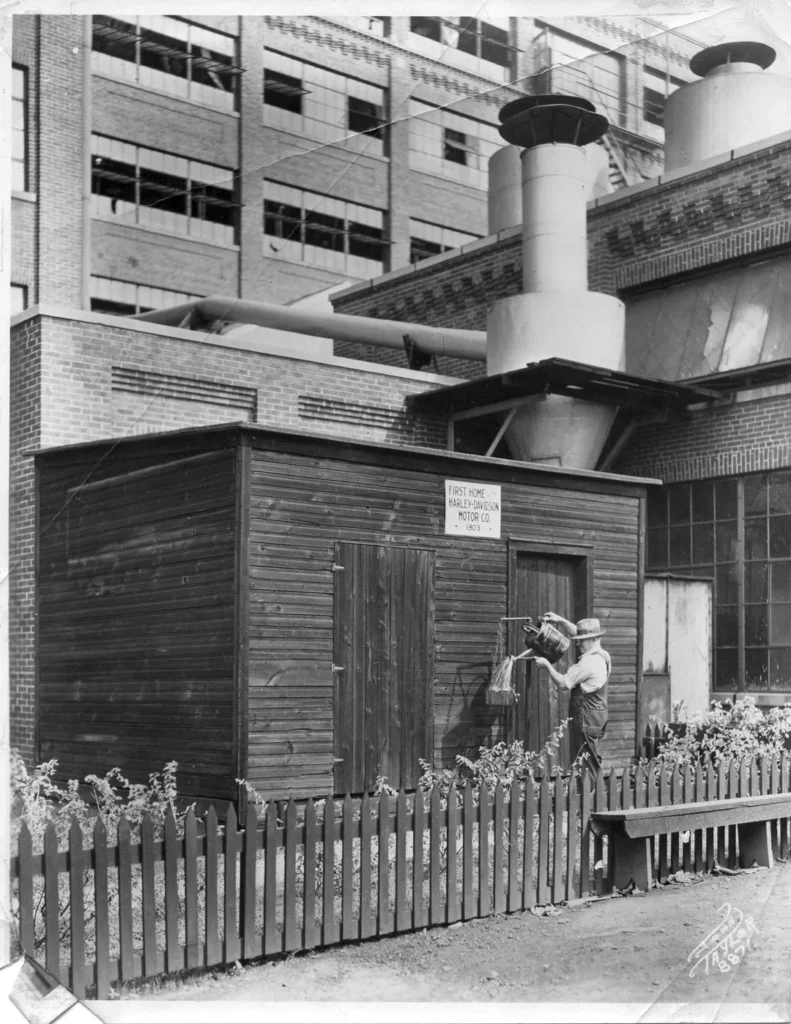
In 1903, Harley and Arthur Davidson, along with Arthur’s brothers Walter and William Davidson, began building their machine inside a small wooden shed behind the Davidson family home.
The shed was located near what is now 38th Street and Highland Boulevard on Milwaukee’s west side.
The structure measured only about 10 feet by 15 feet.
That’s smaller than many modern bedrooms.
Yet inside that tiny building, history was being made.
Above the door, they hung a hand-painted sign that read:
“Harley-Davidson Motor Company”
Nobody could have imagined that the name on that sign would someday become known around the world.
Building the First Harley
The first motorcycle wasn’t glamorous.
It was simple, experimental, and built largely by hand.
The young men spent countless hours designing parts, testing engines, and solving mechanical problems.
Their first machine wasn’t particularly powerful.
In fact, early tests showed that it struggled to climb Milwaukee’s hills.
Instead of giving up, they went back to work.
They redesigned the engine.
They improved the frame.
They made adjustments and tried again.
That willingness to keep improving became part of Harley-Davidson’s identity.
The First Production Motorcycle
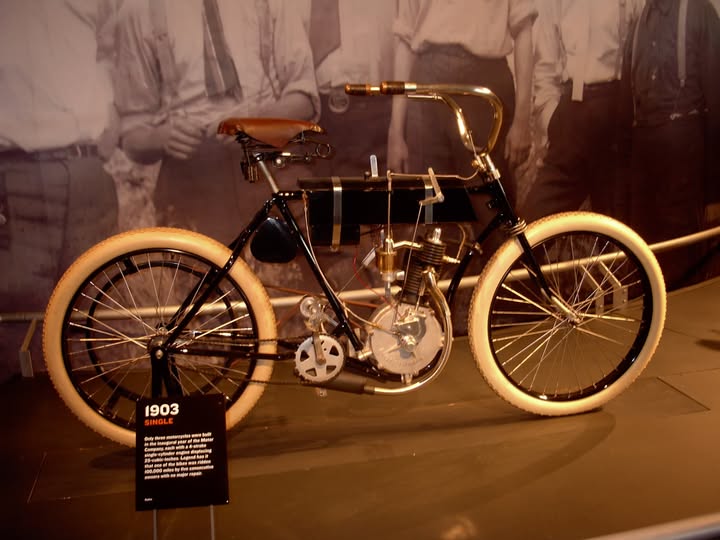
By 1903, the team completed what is considered the first Harley-Davidson motorcycle.
Only a handful were produced during those early years.
The company was tiny.
There were no giant factories.
No corporate headquarters.
No worldwide dealerships.
Just four determined Milwaukee men working out of a backyard shed.
Growth Comes Quickly
Word began spreading about the motorcycles.
Demand slowly increased.
The quality improved.
Before long, Harley-Davidson outgrew the shed.
The company moved into larger facilities and began expanding production.
By 1907, Harley-Davidson had officially incorporated as a business.
Within a few years, motorcycles bearing the Harley-Davidson name were being sold across the country.
Milwaukee Builds a Legend
As Harley-Davidson grew, Milwaukee became permanently linked to the company.
The headquarters remained in Milwaukee.
The factories expanded.
Thousands of local residents found work building motorcycles.
For generations, Harley-Davidson became one of Milwaukee’s most important employers and most recognizable brands.
The company’s success helped establish Milwaukee as a center for American manufacturing and innovation.
Surviving More Than a Century
Many companies founded in the early 1900s no longer exist.
Harley-Davidson survived:
🏍️ The Great Depression
🏍️ Two World Wars
🏍️ Economic recessions
🏍️ Industry competition
🏍️ Changing technology
🏍️ More than 120 years of American history
Today, Harley-Davidson motorcycles are sold around the world and have become symbols of freedom, independence, and the open road.
The Shed That Changed Everything
Perhaps the most amazing part of the story is where it all began.
Not in New York.
Not in Los Angeles.
Not in Detroit.
Right here in Milwaukee.
Inside a simple wooden backyard shed.
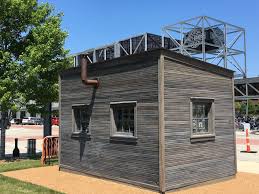
The original shed has been preserved and can be seen today at the Harley-Davidson Museum in Milwaukee, allowing visitors to stand in front of the very place where one of America’s most famous companies was born.
Why This Story Matters
Milwaukee has given the world many innovations, businesses, and inventions.
But few have had the global impact of Harley-Davidson.
It’s proof that big ideas don’t always start in big places.
Sometimes they start in a small backyard shed with a few friends, a dream, and a determination to build something special.
More than 120 years later, Harley-Davidson remains one of Milwaukee’s greatest success stories and one of the most recognizable American brands ever created.
Did You Know?

📍 Harley-Davidson was founded in Milwaukee in 1903.
📍 The company began in a small 10-by-15-foot wooden shed behind the Davidson family home.
📍 The original shed still exists and is displayed at the Harley-Davidson Museum.
📍 The founders were William S. Harley, Arthur Davidson, Walter Davidson, and William Davidson.
📍 Early motorcycles were built largely by hand.
📍 Harley-Davidson is one of the oldest continuously operating motorcycle manufacturers in the world.
📍 More than a century later, Harley-Davidson’s headquarters remains in Milwaukee.
Have you ever visited the Harley-Davidson Museum? Let us know your favorite Harley memory in the comments!