Long before grocery store shelves were filled with national bread brands, Milwaukee had a bakery that became a household name. And if you grew up on the North Side, there’s a chance you remember it!
Imagine waking up in old Milwaukee, stepping outside, and smelling fresh bread baking somewhere in the neighborhood.
Not just a few loaves, either.
We’re talking thousands and thousands of loaves coming out of one Milwaukee bakery every single day!
That bakery was the Oswald Jaeger Baking Company, a family business that grew from a small neighborhood shop into the largest bakery in Milwaukee.
And its story goes all the way back to the 1800s.
It All Started With a 15-Year-Old Immigrant
In 1872, a young boy named Oswald Jaeger arrived in Milwaukee from Austria.
He was only 15 years old.
At a time when Milwaukee was growing rapidly and attracting immigrants from Europe, young Oswald decided to learn a trade.
He became an apprentice to a baker.
And apparently, he was pretty good at it!
Within a few years, he had learned enough to open his own bakery on North Third Street, in the heart of Milwaukee’s German community.
According to records held by the Milwaukee County Historical Society, the business was established in 1879.
But Oswald wasn’t about to stop with one small bakery.
Business was booming.
And he needed more room.
From a Little Bakery to a Milwaukee Powerhouse
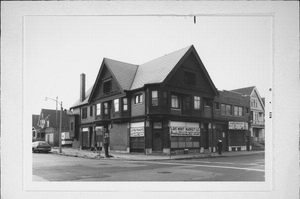
In 1881, Jaeger expanded his business by building a larger bakery near North Ninth and West Walnut Streets.
Now picture Milwaukee back then.
The streets weren’t filled with cars.
People traveled by horse and wagon.
Wooden sidewalks were common, and many streets weren’t even paved.
And right in the middle of that growing city was a bakery turning out some of Milwaukee’s favorite bread.
Jaeger sold different baked goods, including special Christmas treats such as stollen and pfeffernüsse.
But there was one product that really put his bakery on the map.
RYE BREAD!
And not just one kind.
Customers could enjoy varieties including caraway rye and buttermilk rye.
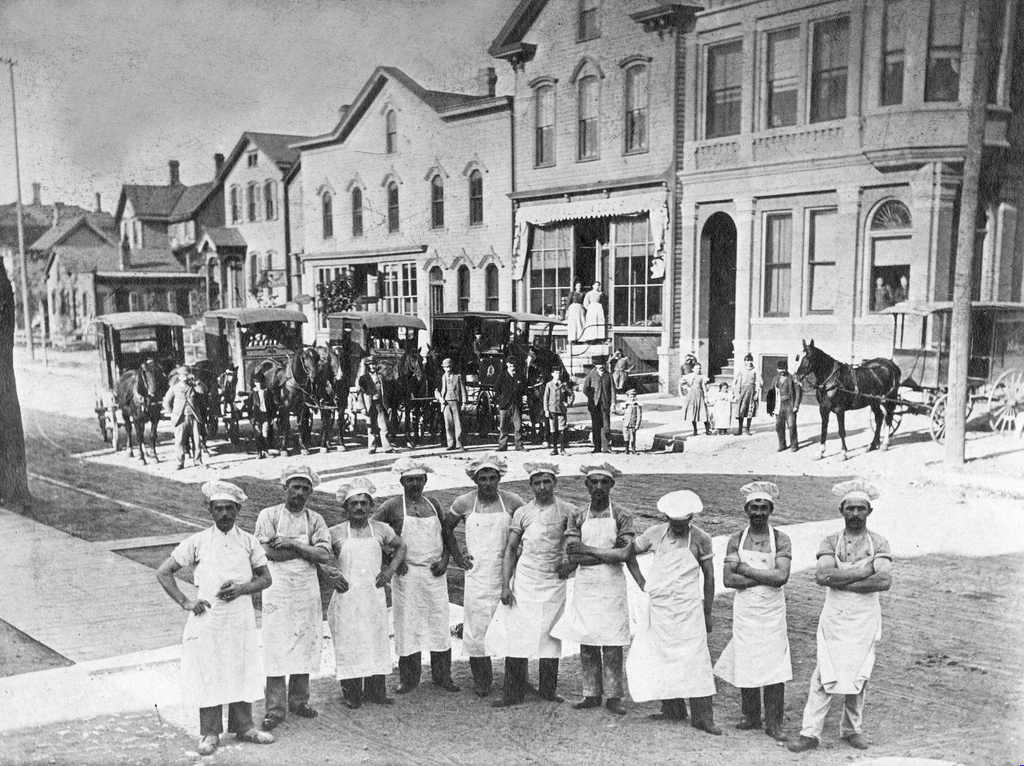
The bread became so popular that by approximately 1896, Jaeger needed five horse-drawn delivery wagons to keep up with demand.
Those wagons carried bread to grocery stores, restaurants, and hotels throughout the Milwaukee area.
Just imagine seeing those horses lined up outside the bakery, ready to deliver fresh bread across the city!
60,000 Loaves of Bread Every Single Day!
Now here’s where this story gets really interesting.
Oswald Jaeger passed away in 1910, but the bakery didn’t disappear.
His son, also named Oswald, continued building the family business.
And by 1921, the bakery had grown into a massive operation.
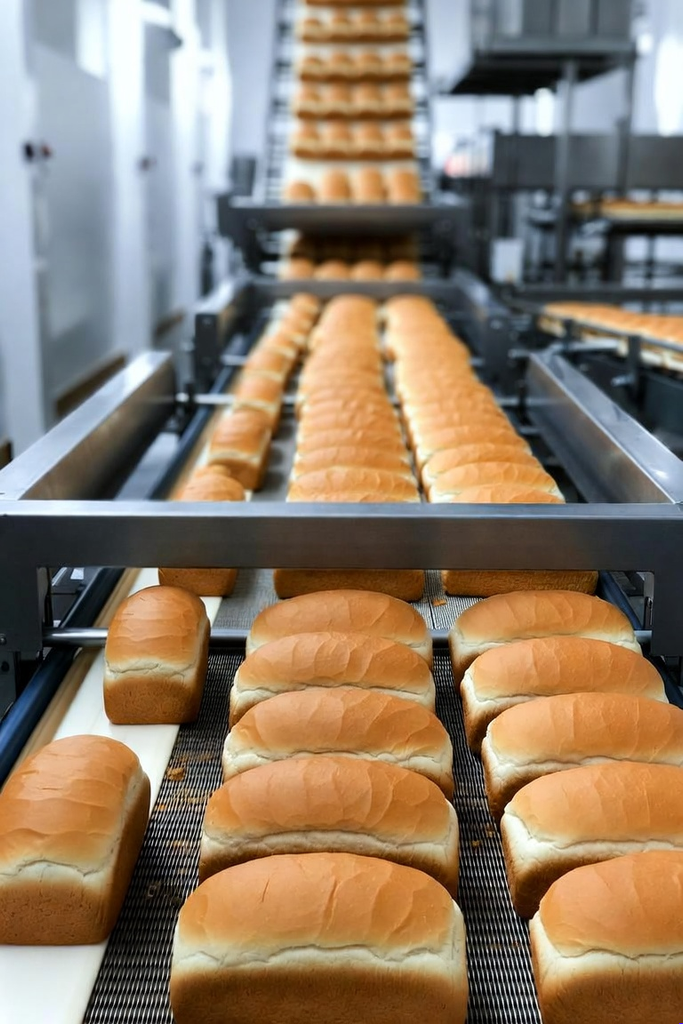
It had 19 ovens capable of producing 60,000 loaves of bread every 24 hours!
MILWAUKEE, THAT’S MORE THAN 40 LOAVES EVERY MINUTE!
Think about that for a second.
This was happening more than 100 years ago!
The bakery had become much more than a neighborhood shop.
Jaeger’s bread was being sold throughout the Midwest and beyond.
And some of its customers lived a whole lot farther away than Wisconsin.
Milwaukee Bread Was Traveling Around the World!
Here’s a little piece of history you might not have known.
During the 1930s and 1940s, Jaeger’s rye bread was regularly shipped by airmail to a customer all the way in Argentina!
Yes, ARGENTINA!
And that’s not all.
The wife of famous actor and Milwaukee native Spencer Tracy had a loaf of Jaeger’s bread shipped west every Wednesday.
Now that’s what I call being loyal to your hometown bread!
Just imagine loving a particular loaf of bread so much that you wanted it delivered across the country every week.
That tells you something about how popular Jaeger’s bakery had become.
A Family Business That Became Milwaukee’s Largest Bakery
The Jaeger family continued operating and expanding the bakery for generations.
It wasn’t just about bread.
It was a business that employed workers, supplied stores and restaurants, and became part of Milwaukee’s industrial history.
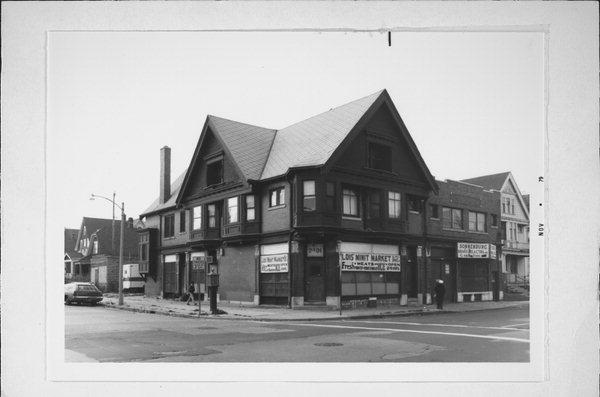
The original bakery buildings near Ninth and Walnut were demolished in 1919 to make room for a three-story expansion.
The business continued growing, and its baking operation became a major part of the neighborhood.
For many North Side residents, the smell of freshly baked bread was part of everyday life.
But even successful family businesses sometimes struggle to survive when industries begin changing.
And that’s exactly what happened to Jaeger’s.
So What Happened to Jaeger’s Bakery?
Beginning in 1965, the bakery became part of a series of larger food companies.
Beatrice Foods was one of the first.
Over the following decades, the bakery passed through additional corporate ownership changes.
By 2001, it had become part of Sara Lee.
And then came the news that ended a long chapter of Milwaukee history.
In 2005, Sara Lee closed the bakery as part of a cost-cutting decision.
After more than a century of baking, the ovens went silent.
No more fresh Jaeger’s bread coming out of that Milwaukee plant.
No more familiar smell drifting through the neighborhood.
A bakery that began with a teenage immigrant’s dream had become part of Milwaukee history.
A Milwaukee Legacy Worth Remembering
What I love about stories like this is that they remind us how many amazing businesses once called Milwaukee home.
Oswald Jaeger arrived in this city as a teenager, learned a skill, started a business, and built something that lasted for generations.
His bakery went from delivering bread by horse-drawn wagon to supplying customers across the country and even overseas.
And for decades, Jaeger’s was a name connected to Milwaukee bread.
That’s a pretty remarkable legacy.
Milwaukee, Do You Remember Jaeger’s Bread?
Now I want to hear from YOU!
Did your family buy Jaeger’s bread?
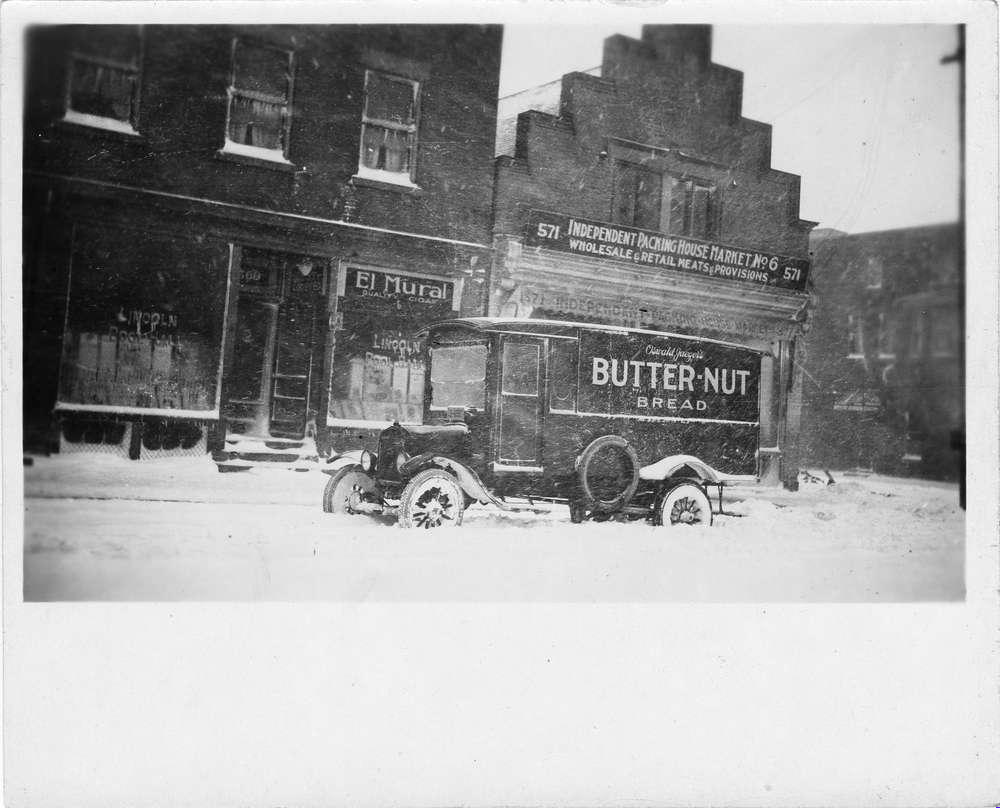
Do you remember seeing their delivery trucks?
Did you or someone in your family work at the bakery?
Or do you remember the smell of fresh bread coming from the bakery on the North Side?
Share your memories in the comments!
I especially love hearing from Milwaukee residents who experienced these places firsthand.
Because sometimes the best history isn’t just what’s written in books.
It’s the memories passed down from one generation to the next.
414 Milwaukee Mil Town — Keeping Milwaukee’s History Alive! 💙