Milwaukee residents who have experienced violence now have a new place to turn for help — and it’s the first center of its kind in Wisconsin.
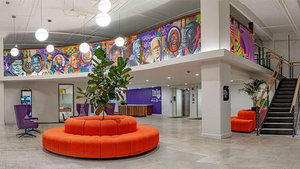
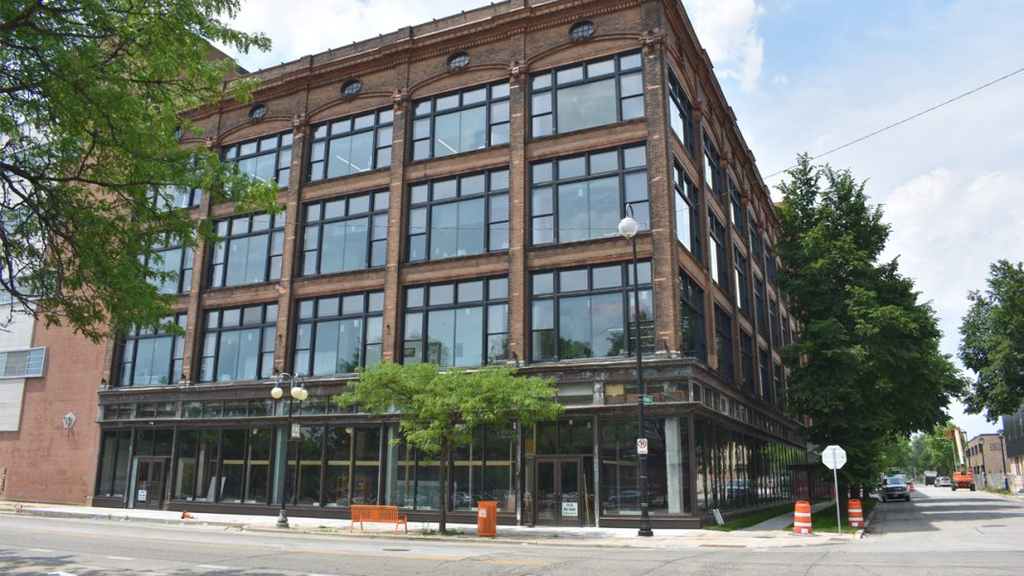
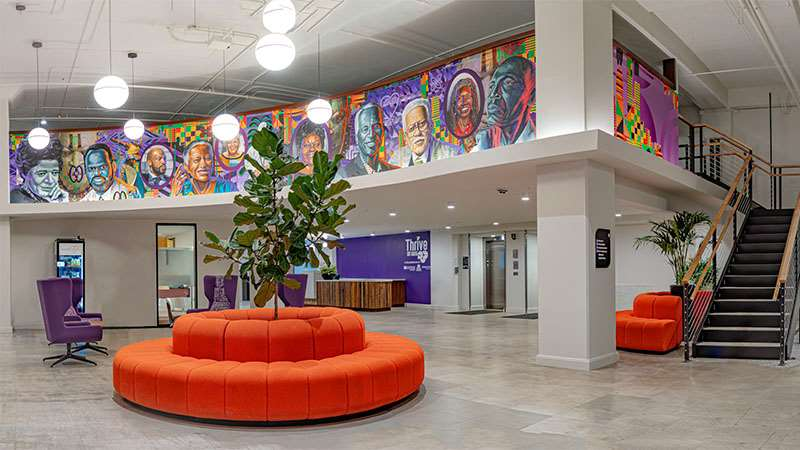
The Medical College of Wisconsin has opened the MKE Trauma Recovery Center (TRC) at ThriveOn King in Milwaukee’s Bronzeville neighborhood.
The center is designed to help survivors deal with something that can continue long after the immediate danger has passed: the trauma left behind by violence.
And one of the most important parts of the program is that services are free.
Helping People Go From Surviving to Thriving
Violence can change much more than what happens to someone physically.
Survivors may experience fear, anxiety, depression, post-traumatic stress and difficulty feeling safe again. Trauma can also affect families and interfere with work, school, relationships and everyday life.
The MKE Trauma Recovery Center was created to help survivors address those effects while connecting them with other resources they may need.
The center is led by Dr. Terri deRoon-Cassini, who described the mission as helping people move from simply surviving to thriving.
That distinction is important.
Surviving the violent incident is one part of the journey. Recovering mentally and emotionally can be another.
What Is a Trauma Recovery Center?
A Trauma Recovery Center isn’t simply a traditional counseling office.
The national Trauma Recovery Center model combines mental-health treatment with outreach, case management and other support designed specifically for survivors of violent crime.
The approach recognizes that people dealing with trauma may also be dealing with other challenges that make getting help difficult.
Depending on a survivor’s needs, Trauma Recovery Centers can help address the psychological effects of violence while connecting people with additional community resources.
The Milwaukee center joins a national network of Trauma Recovery Centers operating across the United States.
Who Can the Milwaukee Center Help?
The Trauma Recovery Center model is designed for people affected by many different forms of violence.
That can include survivors of:
- Community violence
- Domestic violence
- Sexual assault
- Physical assault
- Human trafficking
- Other violent crimes
The model also recognizes another group that sometimes gets overlooked: family members who have lost someone to homicide.
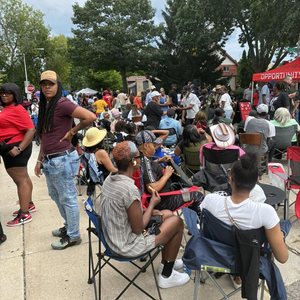
Trauma doesn’t necessarily end with the person who was directly attacked. Violence can affect entire families and communities.
Services Are Free

The MKE Trauma Recovery Center is providing its services at no cost to clients.
For the most part, the Milwaukee program will serve people age 14 and older.
The center is initially opening in phases rather than accepting every type of referral immediately.
During its first phase, referrals are coming through the trauma centers at Froedtert Hospital and Children’s Wisconsin, as well as Milwaukee violence-interruption programs 414Life and Advance Peace.
The program plans to expand its referral network, with a goal of allowing people to refer themselves beginning in early 2027.
That means someone who wants services right now should verify the current referral process before attempting to access the program.
Why Put the Center in the Community?
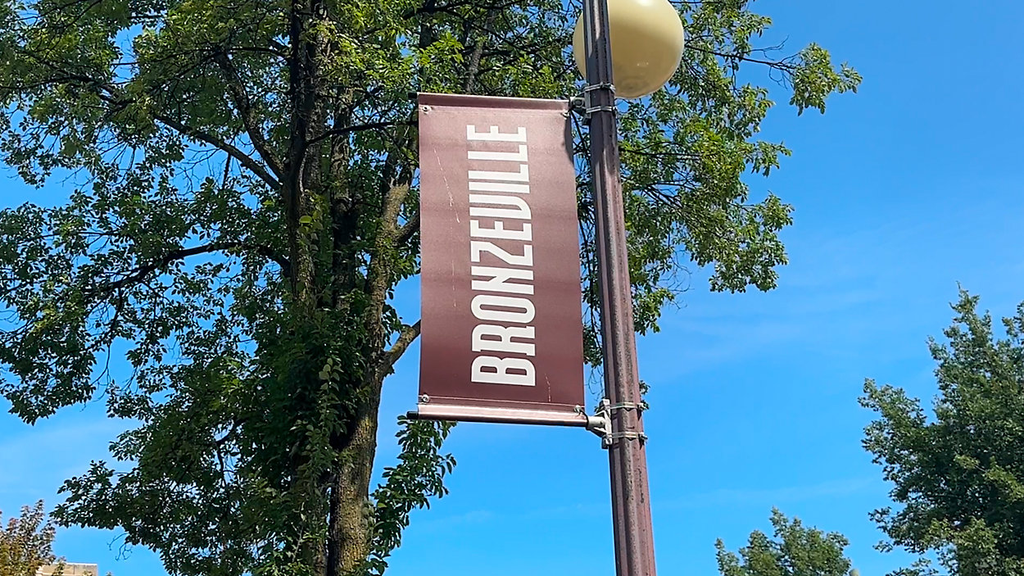
The center is located at ThriveOn King in Milwaukee’s Bronzeville neighborhood rather than existing only within a traditional hospital setting.
That’s significant because one of the goals of the Trauma Recovery Center model is reducing barriers that can prevent survivors from receiving mental-health treatment.
For some survivors, simply being handed a phone number after a violent incident isn’t enough.
People may be trying to recover physically while also dealing with transportation, housing, finances, family responsibilities and the emotional effects of what happened.
The Trauma Recovery Center model is intended to provide a more coordinated approach.
Milwaukee Organizations Are Working Together

The MKE Trauma Recovery Center isn’t working alone.
Its network involves organizations and agencies already serving Milwaukee residents, including community violence-intervention programs and other organizations involved in health, education, public safety and survivor services.
The goal isn’t to replace the trauma services already available in Milwaukee.
Instead, the center is intended to help fill gaps and strengthen the network of organizations already doing this work.
That collaboration matters because recovering from violence rarely involves just one need.
Breaking the Cycle of Trauma
Milwaukee Fire Department Assistant Chief Joshua Parish, who serves on the center’s steering committee, pointed to another reason this work matters.
First responders may see someone during the immediate aftermath of a violent incident, but the effects of that incident can continue long after the emergency vehicles leave.
Untreated trauma can affect how someone sees danger, responds to stress and interacts with the world around them.
Providing people with tools to process trauma could therefore have an impact that reaches beyond an individual survivor.
It can affect families and, ultimately, the larger community.
A New Resource for Milwaukee

Milwaukee already has organizations doing important work with survivors of violence.
The MKE Trauma Recovery Center adds another piece to that network — one specifically built around an evidence-based Trauma Recovery Center model that combines mental-health treatment, outreach and case management.
For a person who has survived violence, getting through the incident shouldn’t have to be the end of the support they receive.
Healing matters, too.
And having Wisconsin’s first Trauma Recovery Center right here in Milwaukee gives survivors and families another resource as they work toward that healing.
MKE Trauma Recovery Center
Location: ThriveOn King, Milwaukee’s Bronzeville neighborhood
Services: Trauma-focused mental-health care, case management and connections to additional resources
Cost: Free
Generally serving: Ages 14 and older
Current access: Initial referrals are being accepted through participating trauma centers and community violence-intervention programs, with broader access and self-referrals expected as the program expands.
For anyone seeking help, check with the MKE Trauma Recovery Center or Medical College of Wisconsin for the latest referral information and eligibility requirements.