Before the highways came and the bulldozers moved in, there was Bronzeville — a vibrant, electric stretch of Milwaukee’s North Side that pulsed with jazz, soul food, barbershops, and Black excellence. From the 1920s through the 1960s, Bronzeville was the cultural capital of Black Milwaukee, a neighborhood where community wasn’t just a word — it was a way of life.

A Community Born of Necessity
Like many Black neighborhoods in Northern cities, Bronzeville was born out of the Great Migration. Thousands of African Americans fled the Jim Crow South seeking better opportunities in Milwaukee’s factories and foundries. Redlining and racial covenants forced them into a narrow corridor along North 3rd Street and the surrounding blocks — but what they built within those boundaries was nothing short of remarkable.
By the 1940s, Bronzeville stretched from roughly West North Avenue to West Walnut Street along North 3rd Street. The neighborhood was home to Black-owned businesses, churches, newspapers, and entertainment venues that rivaled anything in the city.
The Jazz Scene That Lit Up the Night
On any given Friday night in the 1940s and 50s, you could walk down North 3rd Street and hear jazz pouring out of clubs like the Flame Supper Club, the Turf Club, and the Ritz Ballroom. National acts like Ella Fitzgerald, Count Basie, and Nat King Cole performed in Bronzeville when they couldn’t get bookings at segregated downtown venues.
Local musicians like Manty Ellis and Clyde Stubblefield — who would later become James Brown’s legendary drummer — cut their teeth in Bronzeville’s clubs. The neighborhood didn’t just consume culture; it created it.

The Businesses That Built the Community
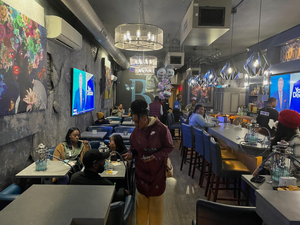
Bronzeville was a self-sufficient economic ecosystem. The Milwaukee Star, a Black-owned newspaper, kept the community informed. The North Side YMCA provided a gathering place. Black-owned beauty salons, law offices, insurance companies, and restaurants lined the streets. You didn’t need to leave the neighborhood to get everything you needed — and often, you were better off staying.
The Destruction That Changed Everything
In the late 1950s and 1960s, urban renewal — what many residents called “urban removal” — tore through Bronzeville. The construction of Interstate 43 and the Park Freeway displaced thousands of residents and demolished hundreds of homes and businesses. The neighborhood never fully recovered.
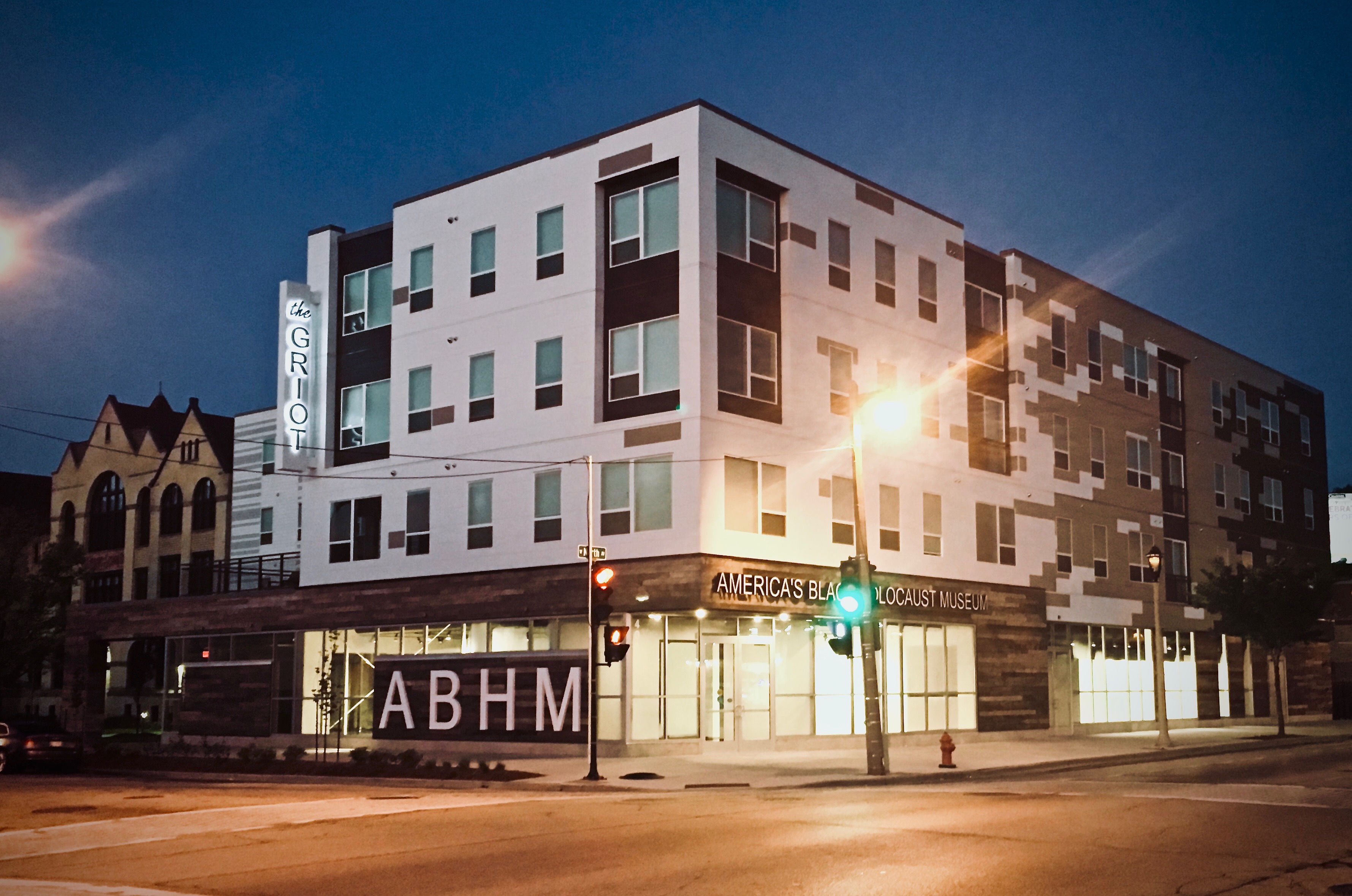
Today, efforts are underway to reclaim and celebrate Bronzeville’s legacy. The Bronzeville Cultural and Entertainment District initiative aims to restore the neighborhood’s identity, attract investment, and honor the generations of Black Milwaukeeans who built something extraordinary against the odds.
Bronzeville Lives On
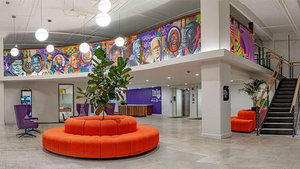
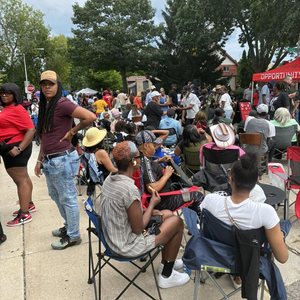
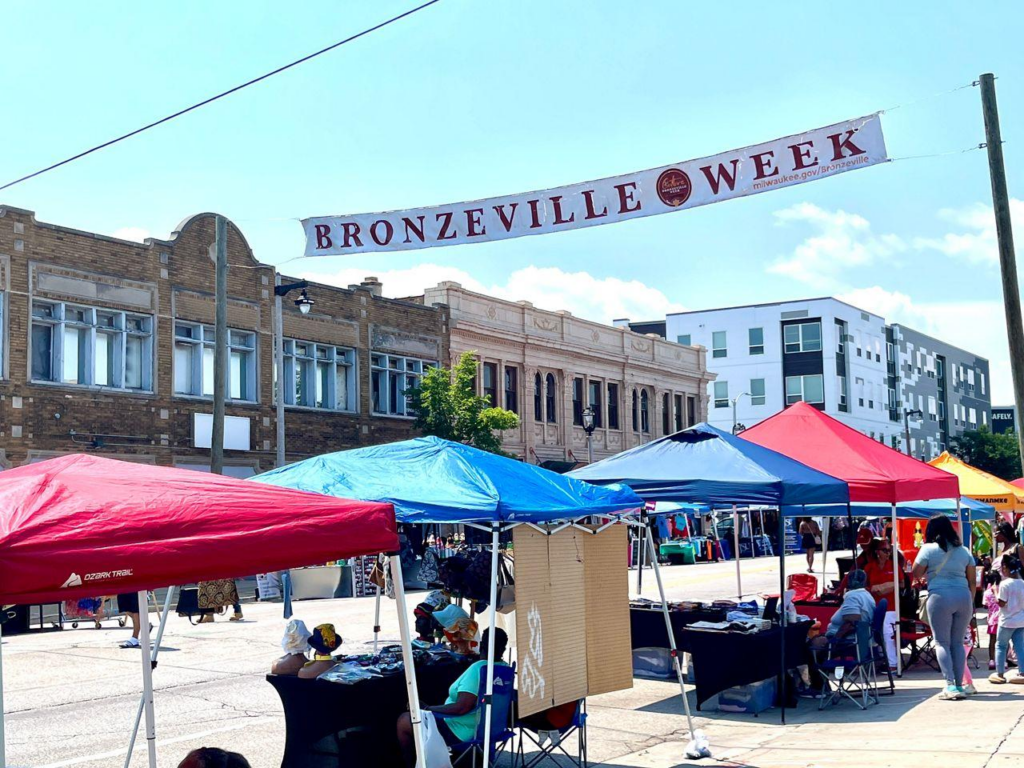
The spirit of Bronzeville isn’t gone — it’s just waiting to be rediscovered. From the murals that line the walls of North 3rd Street to the community events that draw thousands every summer, Bronzeville is making its comeback. And Milwaukee is better for it.

Bronzeville Week


#Milwaukee #Bronzeville #BlackHistory #414MilwaukeeMilTown #SupportBlackBusiness #CreamCity #MilwaukeeHistory #BlackExcellence